What is salmonella, how does it spread and are eggs safe to eat?
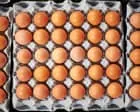
Over 200 people in the UK contracted salmonella from contaminated imported eggs served in restaurants and cafes, resulting in one death and dozens of hospitalisations. Salmonella encompasses a broad bacterial family containing more than 2,500 strains, typically discovered in contaminated animal products though earlier UK outbreaks have involved unexpected sources including chocolate and vegetables. The infection transmits through multiple routes: contaminated water, animal contact, person-to-person spread, and food handling failures—particularly when prepared dishes come into contact with undercooked or raw contaminated items.
Most infected individuals recover within days with gastrointestinal symptoms such as abdominal pain, diarrhoea, vomiting, and fever; however, vulnerable populations face substantially higher risks of severe outcomes. Young children, older adults, immunosuppressed patients, and those with chronic health conditions may develop serious complications including sepsis-like illness. Health authorities affirm that eggs are safe for consumption when selected carefully, with British-produced eggs displaying the red lion certification identified as the lowest-risk option.
- UK salmonella outbreak traced to imported restaurant eggs sickened 207 people, killing 1 and hospitalising 34
- Salmonella causes intestinal illness; most recover naturally but children, elderly, and immunocompromised individuals face severe complications
- Eggs remain safe with careful purchasing; UK-produced eggs bearing the red lion mark are recommended