Sony is ditching physical discs, so here’s how I’ll play PS2 games using original hardware and handhelds instead of PS5 games in protest
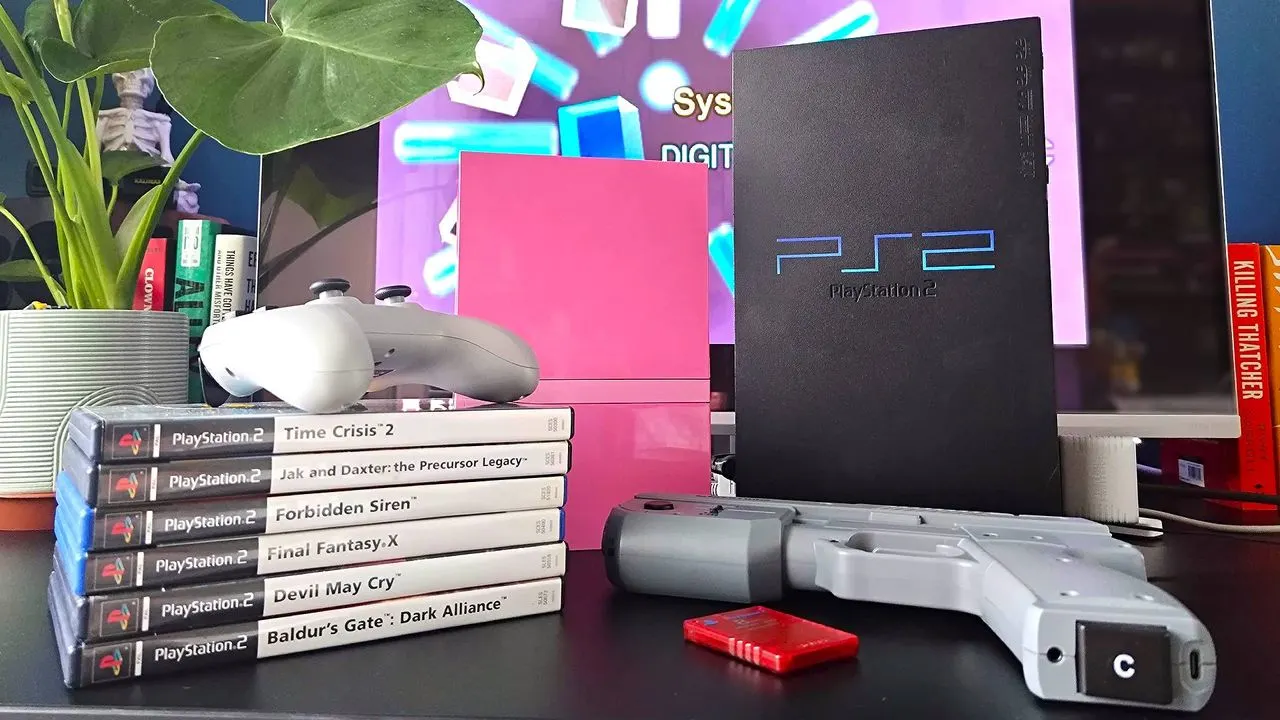
A GamesRadar+ writer reacts to Sony's move away from physical game discs by announcing they will play PlayStation 2 titles on original hardware and handheld devices rather than buying digital PS5 games, framing it as a personal protest against the shift to disc-free consoles. The piece reflects wider unease among gamers about losing physical ownership of titles as manufacturers increasingly push all-digital distribution.
The article, part of GamesRadar's retro/hardware coverage, focuses on practical ways to keep playing PS2 games using genuine consoles and portable devices rather than emulation on newer PlayStation systems. It taps into ongoing consumer concerns about preservation, ownership and access as Sony phases out physical disc support.
- Sony is moving away from physical game discs.
- Writer will play PS2 games on original hardware instead.
- Move seen as protest against losing physical game ownership.
New here? Start with this
PlayStation 2 was a Sony console released before the PlayStation 5, and its games were sold on discs. Players can still use original PS2 consoles to play those games; some handheld devices can also run them, depending on the model and setup.
Sony and other console makers have increasingly offered systems and games that rely on digital downloads rather than discs. This matters to players who value keeping a physical copy, since access to a downloaded game can depend on the store and account through which it was bought. It also raises questions about how older games will be preserved and remain playable over time.
Both sides, in good faith
The strongest fair case each way — we don't pick a winner.
The case for
Advocates for physical media emphasise genuine consumer ownership and preservation. When you own a disc, you retain indefinite access regardless of corporate decisions; digital licences can vanish if storefronts close or publishers remove titles. They argue that physical media enables secondary markets and prevents waste through reuse, whilst protecting player rights from being contingent on servers remaining online or companies maintaining backwards compatibility. Long-term game preservation and consumer autonomy matter more than convenience.
The case against
Digital advocates prioritise convenience and environmental responsibility, arguing that instant downloads without physical storage burden and reduced manufacturing waste outweigh ownership concerns. They contend that the industry's inevitable shift toward digital distribution reflects genuine consumer preference for immediate access and cloud gaming, whilst digital-only models allow publishers to reduce costs and deliver simultaneous global support. From this perspective, embracing efficient distribution that serves modern consumers effectively matters more than preserving legacy systems.