Entertainment news and discussion on TalkFuse.
Nintendo Goes After Switch Emulation With Aggressive New Takedowns
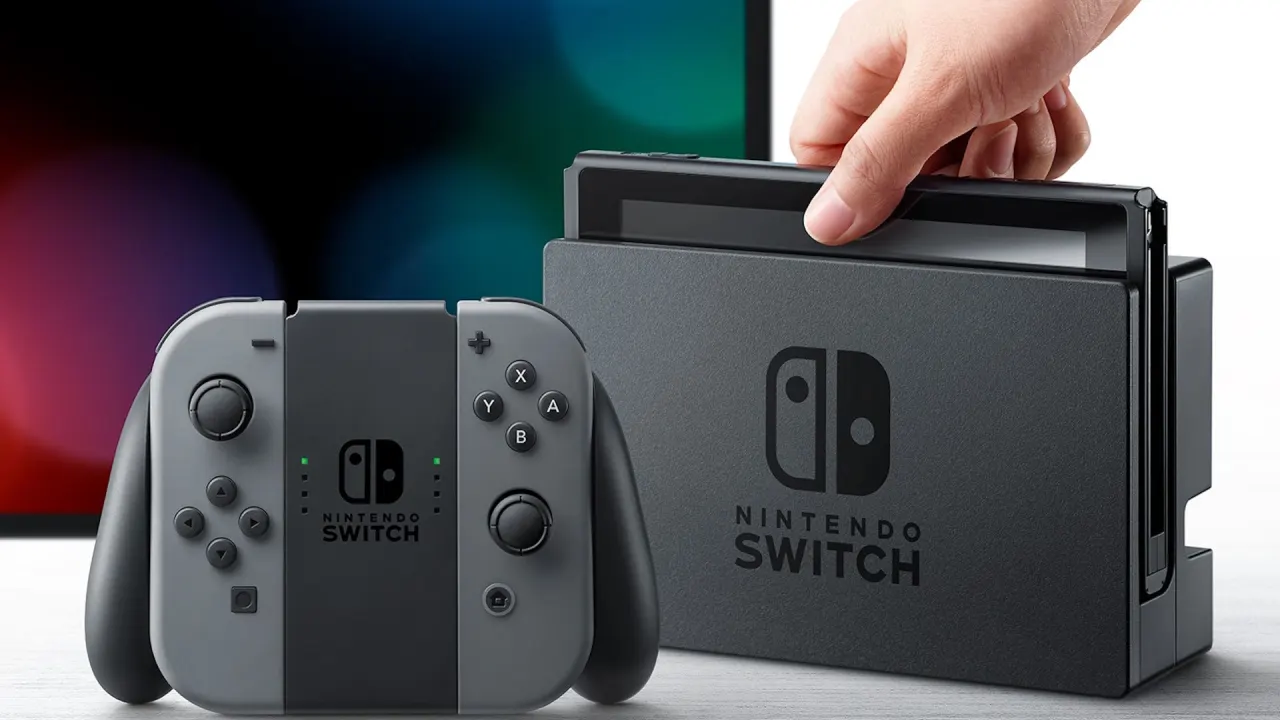
Nintendo has intensified its campaign against Nintendo Switch emulation, filing DMCA takedown notices with GitHub that resulted in the removal of more than 400 repositories linked to the emulators Suyu, Skyline and Yuzu. The move continues a pattern of aggressive legal and legal-adjacent pressure the company has applied to emulator developers, and underlines its determination to close down projects it views as facilitating piracy, even when they are open-source and community-maintained.
Nintendo argues these emulators bypass its "technological protection measures", the encryption built into Switch consoles and game files, by using unauthorised cryptographic keys to decrypt pirated ROMs. Its takedown notice cites a 2024 settlement in which Yuzu developer Tropic Haze paid $2.4 million and agreed to halt development, after which the code was forked into the successor project Suyu; it also references a default judgment against streamer Jesse "EveryGameGuru" Keighin. Neither case went to trial. Nintendo previously pressured the Skyline emulator team into shutting down in 2023 and reached an out-of-court deal to take Ryujinx offline, and has separately pursued piracy-related lawsuits, including a $4.5 million claim against a Reddit moderator.
In short
- Nintendo's DMCA notices removed 400+ Switch emulator repositories from GitHub
- Targets included Suyu, Skyline and Yuzu emulator projects
- Nintendo cites past settlements and rulings, none tested in court
Steelman: both sides, in good faith
The strongest fair case each way — we don't pick a winner.
The case for
Nintendo holds the legitimate right to protect its intellectual property and the technological protection measures built into the Switch. The emulators in question are specifically designed to circumvent the encryption protecting Switch games, and Nintendo argues—with legal precedent on its side—that these tools facilitate piracy by enabling unauthorised ROM copies to run. The DMCA explicitly prohibits circumvention of technological measures, and Nintendo has demonstrated its legal standing through multiple settlements and judgments. Without enforcement, the company loses control of its platform, revenue streams, and ability to prevent unauthorised distribution of its creative works.
The case against
Emulation serves legitimate purposes including software preservation, archival, and enabling consumers to play games they own on hardware of their choice. The DMCA's anti-circumvention provisions are overly broad and conflate emulation—a legal technology—with piracy, stifling beneficial open-source development and reverse engineering that preserves cultural works. Most emulation users preserve games they already own rather than pirates; the tool itself is distinct from illegal distribution. Nintendo's strategy of pressing settlements and out-of-court deals rather than pursuing cases to trial, combined with targeting smaller community developers, raises concerns about leveraging superior legal resources to suppress legitimate preservation and consumer choice.
Explained simply
A Nintendo Switch emulator is software that lets a computer or phone imitate the console, so some Switch games can run on other devices. Emulators can have legitimate uses, but playing a game this way may involve a copied game file, often called a ROM.
Nintendo says some emulator projects make it possible to get around the Switch’s built-in encryption and play unauthorised copies of games. The company has taken legal action against several projects, including Yuzu, whose developers agreed to pay $2.4 million and stop work in a 2024 settlement.
Emulator code is often shared online and can be copied or adapted by other developers, creating successor projects after one shuts down. The dispute raises questions about how copyright protections apply to software that can be used for different purposes, including running games without permission.