Entertainment news and discussion on TalkFuse.
‘If it was on the southside, something would’ve been done by now’: Battle to save crumbling city-centre mansion that inspired Bram Stoker’s Dracula – and yet most Dubliners don’t even know it exists
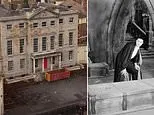
A campaign is under way in Dublin to save a decaying city-centre mansion said to have inspired Bram Stoker's classic novel Dracula, with local campaigners warning it faces ruin unless action is taken soon. Despite its literary significance, the building's condition and low profile among residents have raised questions about how heritage sites are prioritised across the city, with critics suggesting the location's side of the river has affected the level of attention and investment it has received.
Those pushing to preserve the mansion argue that a comparable building on Dublin's more affluent southside would likely have already been restored or protected, pointing to a perceived imbalance in how the city's north and south are treated. The report highlights that, despite its connection to one of literature's most famous gothic tales, the property remains largely unknown to many Dubliners, underscoring campaigners' concerns that its historical and cultural value is being overlooked.
In short
- Dublin mansion linked to Bram Stoker's Dracula is falling into disrepair
- Campaigners say a southside building would have been saved by now
- Many Dubliners are reportedly unaware the property even exists
Steelman: both sides, in good faith
The strongest fair case each way — we don't pick a winner.
The case for
The building's connection to one of literature's most celebrated works merits preservation as part of Dublin's cultural heritage, particularly when time is running out before irreversible decay sets in. Campaigners raise a substantive concern about resource allocation: if a comparable property with similar literary significance were located in a wealthier southside neighbourhood, it would likely have attracted grants, restoration funding, and official protection already. This pattern reflects a genuine disparity in how cities invest in different areas, and addressing it requires acknowledging that location and affluence should not determine which cultural treasures survive.
The case against
Preservation decisions involve complex practical considerations—structural viability, ownership arrangements, restoration costs, and competing municipal priorities—that may explain different treatment independently of geography. The claim that a southside location would guarantee salvation oversimplifies how these projects actually proceed; many buildings face obstacles that have nothing to do with which river bank they occupy. Without evidence that equivalent properties in affluent areas have recently received investment, the north-south disparity remains asserted rather than proven, and attributing neglect to bias rather than examining genuine constraints risks misdirecting effort away from practical solutions.
Explained simply
Dublin’s River Liffey divides the city into northside and southside areas, which are often discussed in terms of differences in wealth, investment and public attention. The mansion at the centre of the campaign is a historic building in the city centre, and campaigners say it is in poor condition and needs attention to prevent further decay.
Bram Stoker was a Dublin-born writer whose novel Dracula became one of the best-known works of gothic fiction. The mansion is said to have influenced the book, though the strength of that connection is a matter of historical interpretation.
The campaign raises questions about how Dublin protects its historic buildings and whether sites on different sides of the river receive equal attention. The building’s low profile also means many residents may not know about its literary and local significance.