World news and discussion on TalkFuse.
How this 1960s ex-council house is managing to stay cool without air con
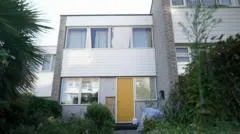
An architect in south London has spent over a decade retrofitting her 1960s ex-council house to the Passivhaus standard, keeping it noticeably cooler in the current heatwave without any air-conditioning. On the hottest day of the summer's fourth heatwave, with outside temperatures reaching 35C, Marion Baeli's home stayed around 10C cooler inside, illustrating how such adaptations could help UK homes cope with hotter, potentially 40C, summers as more than half of British homes are already at risk of overheating.
The work, carried out in stages to spread the cost, involved insulating shared walls, flooring and the roof, eliminating "thermal bridges", replacing cavity brick walls with super-insulated timber-framed alternatives, fitting triple-glazed windows, and installing a ventilation system once the house was made airtight. Baeli estimates the retrofit has cut her energy demand by 88%, saving her nearly £750 a year, though the Passivhaus Trust acknowledges such work is costly — Baeli's total spend was around £80,000, with windows the biggest expense at £30,000 and airtighting among the cheapest at £5,000.
In short
- Retrofitted 1960s house stays 10C cooler than outside without air-conditioning.
- Passivhaus-standard upgrades cut energy use by 88%, saving nearly £750 yearly.
- Full retrofit cost around £80,000, done in stages over ten years.
Steelman: both sides, in good faith
The strongest fair case each way — we don't pick a winner.
The case for
Proponents of Passivhaus retrofits see them as essential adaptation to an escalating climate crisis affecting UK homes. The case study proves the technical solution works, delivering genuine 10-degree cooling without energy-intensive air-conditioning whilst cutting consumption by 88 per cent. Though costly, retrofits can be staged over time, and the approach represents a realistic, proven pathway for UK homes to achieve climate resilience. As overheating becomes a genuine public health threat affecting over half of British properties, the upfront investment protects long-term health, energy security and property values whilst avoiding the environmental burden of widespread air-conditioning adoption.
The case against
Sceptics highlight substantial barriers to Passivhaus retrofits as a broad solution to overheating. The £80,000 cost is unaffordable for most households and creates a payback period exceeding a century, entrenching inequality where climate comfort becomes a luxury good. Extreme airtightness raises concerns about mechanical ventilation dependency and ongoing maintenance costs most households cannot sustain, whilst more immediately practical solutions such as improved natural ventilation, reflective finishes and targeted insulation deserve priority. Whilst beneficial for those with capital, Passivhaus retrofits cannot address the overheating crisis affecting millions of ordinary British householders.
Explained simply
Many British homes were built before hotter summers became a concern, and can trap heat indoors. An ex-council house is a former local authority home that has since been sold to a private owner. Retrofitting means making changes to an existing building to improve how it performs.
Passivhaus is a building standard focused on keeping indoor temperatures stable and reducing energy use, through measures such as strong insulation, airtight construction and controlled ventilation. These measures are designed to limit heat entering in summer as well as heat escaping in winter.
The work can involve substantial upfront costs, even when spread over several years. With more homes at risk of overheating as summers get hotter, retrofits are one approach to making existing housing more comfortable and reducing energy demand.