The Unlikely Place at the Center of China’s AI Boom
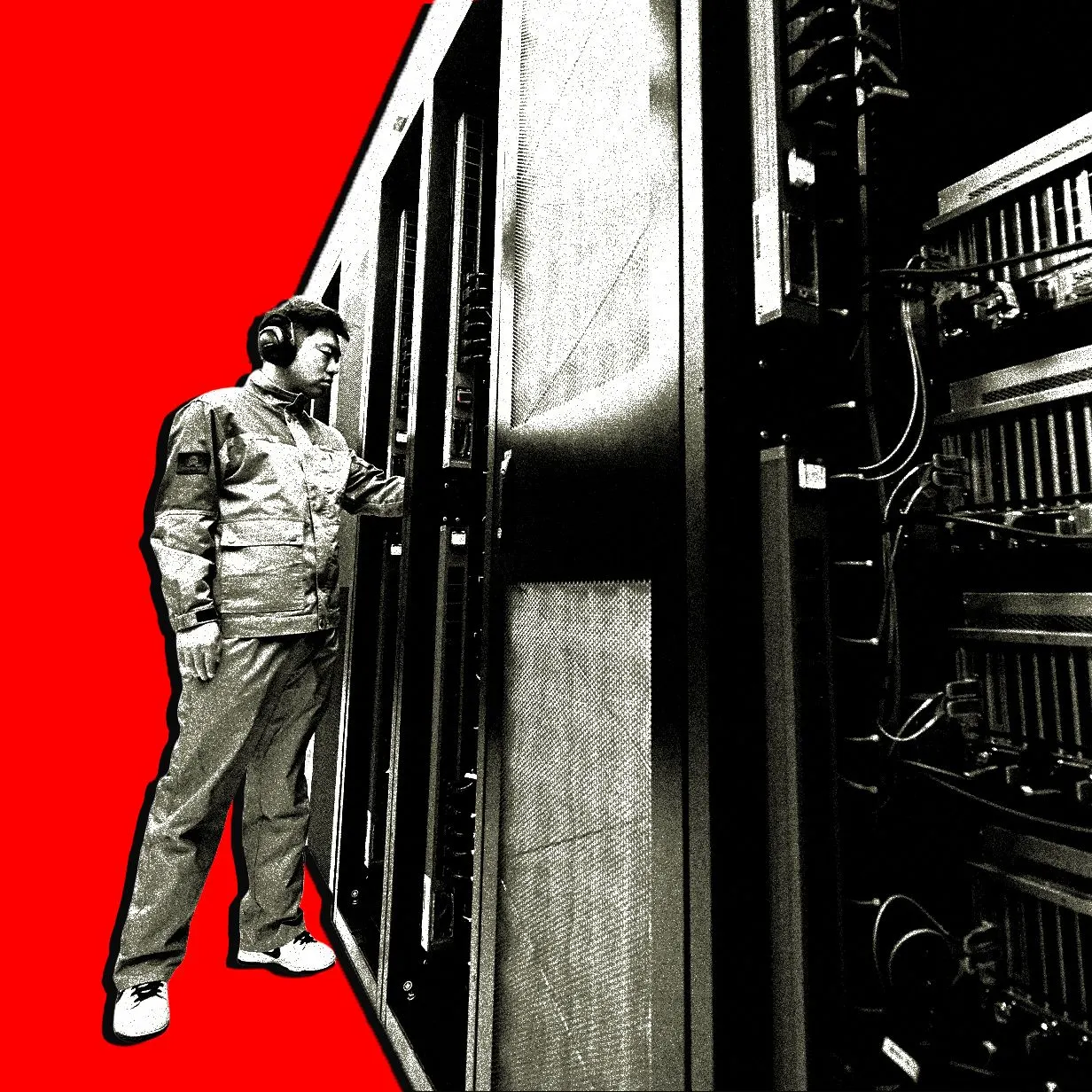
Ulanqab, a sparsely populated city in China's Inner Mongolia region, has rapidly become a major hub for AI data centre construction, with nearly 100 facilities opened or under way since 2016. The boom matters because it marks a shift in how Chinese AI firms operate: companies such as DeepSeek, ByteDance, Alibaba and Xiaohongshu are now investing directly in their own physical infrastructure rather than renting computing power, narrowing a long-standing gap with US rivals that have spent far more heavily on data centres.
Chinese firms have pledged data centre capacity totalling roughly 12.5 gigawatts in Ulanqab, more than OpenAI's $500 billion Stargate project, according to Goldman Sachs research, with over 70% of that pledged capacity announced in the past year alone. The city's appeal lies in its cold climate, which cuts cooling costs, its proximity to Beijing for low-latency data transfer, and cheap electricity from abundant coal and growing wind and solar power. However, the region's dry climate, comparable to Denver's, is straining water supplies already stretched by residential demand, with the local water company recently forced to shut off supply for seven hours nightly, raising concerns about the environmental sustainability of further expansion.
- Ulanqab in Inner Mongolia has become a major hub for China's AI data centres.
- Nearly 100 facilities built since 2016, with pledged capacity exceeding OpenAI's Stargate project.
- Cheap electricity and cool climate attract firms, but water scarcity poses a risk.
New here? Start with this
AI data centres house the computers and storage needed to train and run artificial intelligence systems. Ulanqab is a city in Inner Mongolia, a region of northern China, where companies have been building many of these facilities since 2016.
Chinese technology firms including DeepSeek, ByteDance, Alibaba and Xiaohongshu are putting money into their own computing infrastructure, rather than relying only on rented capacity. This matters because access to large amounts of computing power is important for developing AI, and US firms have invested heavily in data centres.
Ulanqab’s cold weather can reduce cooling costs, and its location near Beijing helps connect it to users and businesses there. But the area is dry, and data centres need water as well as electricity, raising questions about how expansion may affect local supplies.
Both sides, in good faith
The strongest fair case each way — we don't pick a winner.
The case for
China's AI industry requires substantial domestic computing infrastructure to compete globally and achieve technological sovereignty, making Ulanqab's strategic location—with its cold climate, proximity to Beijing, and abundant cheap electricity—an economically rational investment that benefits long-term innovation and competitiveness. Chinese companies have legitimate reasons to shift from renting capacity to owning infrastructure, just as American tech leaders have done, and this represents standard industrial development in a strategically vital sector.
The case against
The region's severe water constraints, already manifesting in nightly supply shutdowns, suggest that the current pace of data centre expansion is environmentally unsustainable and prioritises short-term economic gains over long-term resource stewardship. Water is a finite resource in an arid region facing growing residential demands, and the concentration of 70% of capacity pledges in a single year raises legitimate questions about whether environmental impact assessments and regulatory oversight are adequate to prevent irreversible depletion of critical supplies.