Trump’s space transportation policy calls for new spaceport on federal land
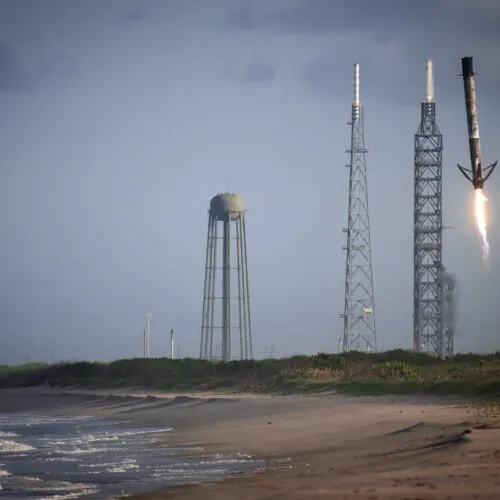
President Donald Trump has signed a new national space transportation policy calling for the construction of additional spaceports to cope with a forecast surge in launches and reentries, aiming to support more than 1,000 such operations annually by 2030. The memorandum replaces a 2013 policy from the Obama administration and reflects how dramatically the commercial launch industry has grown, with demand now driven by communications services, surveillance, military targeting and orbital data centres. It directs the Pentagon and NASA to jointly prioritise infrastructure investment at existing federal ranges and instructs the Department of the Interior to identify federal land for a new reentry site, reportedly to address concerns about capacity limits and resilience at current facilities.
There were 176 orbital launch attempts from US soil last year, almost ten times the 2013 total, with SpaceX alone responsible for 165 Falcon 9 launches plus five Starship suborbital tests. America's four federal spaceports are Cape Canaveral Space Force Station and Kennedy Space Center in Florida, Vandenberg Space Force Base in California, and Wallops Flight Facility in Virginia, though only the Florida and California sites can currently handle heavy-lift rockets. The policy also pushes for greater transparency by requiring regular publication of range schedules, and follows a Pentagon study — described by Air Force Secretary Troy Meink in May — concluding that a third heavy-lift site is needed, with Space Force officials projecting up to 700 combined annual launches from Cape Canaveral and Vandenberg by 2036.
- Trump signs policy targeting 1,000+ US launches and reentries yearly by 2030
- Interior Department told to identify federal land for a new reentry site
- US launches nearly tenfold since 2013; only two sites handle heavy-lift rockets