Army Secretary eyes exit around end of year amid Hegseth tensions
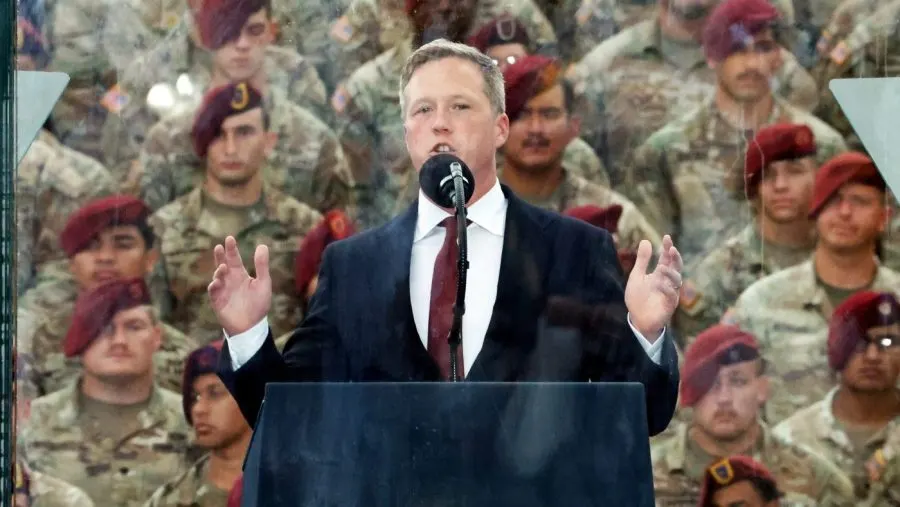
Dan Driscoll, the Army Secretary, is planning to step down from his Pentagon position by year-end 2026, according to people with knowledge of ongoing discussions. The decision comes after months of institutional conflict between Driscoll and Defense Secretary Pete Hegseth, with former White House officials and other sources close to the matter confirming these talks to news outlets.
Driscoll's anticipated departure represents a significant leadership change within the Army's top civilian position. The underlying disagreements between the two senior Pentagon officials point to ongoing internal dynamics that could shape military command structures and policy direction during the period ahead.
- Army Secretary Dan Driscoll plans to exit his Pentagon post by end of 2026
- Departure follows an extended turf war with Defense Secretary Pete Hegseth
- Multiple sources confirm Driscoll has discussed the timing of his departure
Both sides, in good faith
The strongest fair case each way — we don't pick a winner.
The case for
Supporters of Secretary Hegseth's approach argue that a Defense Secretary is entitled, and indeed obliged, to assert clear authority over the service secretaries beneath him, ensuring the Army's priorities align with the Pentagon's broader strategic direction rather than pursuing an independent agenda. They contend that tighter central oversight reduces duplication, speeds decision-making, and prevents service branches from becoming semi-autonomous fiefdoms resistant to reform. From this perspective, friction with a service secretary who resists that direction is a natural, even healthy, part of restoring accountability to the chain of command.
The case against
Those sympathetic to Secretary Driscoll would argue that service secretaries hold distinct statutory responsibilities and specialised expertise in running their branch, and that this authority exists precisely so the Army can pursue sound reforms without excessive interference from the Office of the Secretary of Defense. They would say that a capable, reform-minded secretary should be given room to manage recruitment, modernisation and personnel matters according to his own judgement, and that an exit driven by turf disputes risks signalling to future appointees that independent, good-faith leadership within one's lawful remit will not be tolerated.