Science news and discussion on TalkFuse.
Reform leader denies climate change is man-made as council launches new environmental strategy
Developed over time first seen 3 months ago
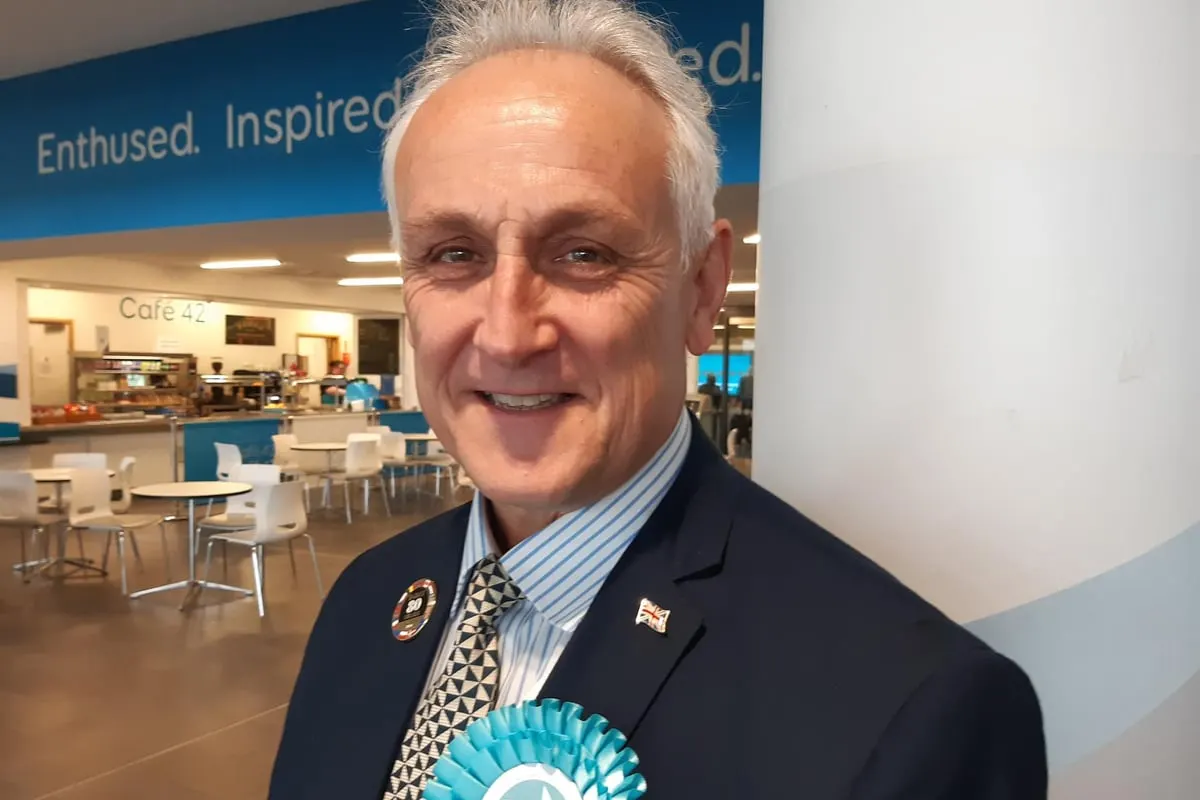
Staffordshire County Council’s Reform UK administration approved a new environmental strategy after withdrawing the authority’s earlier climate-emergency declaration. The strategy replaces the previous climate-change framework with eight priorities covering the council’s own environmental impact, resilience to severe weather, nature recovery, waste, energy, transport and support for economic growth. It presents the change as a practical, locally focused approach intended to protect the county’s environment, reduce costs and assist residents and businesses.
The Star reported that the Reform leader denied that climate change is caused by human activity, while the newly adopted document does not use the term “climate change”. It does, however, refer to impactful weather and longer-term changes in weather patterns. The policy change has drawn attention because it moves away from long-term net-zero targets; the council says this allows it to concentrate on deliverable local measures. The scientific position assessed by the IPCC is that human influence has unequivocally warmed the atmosphere, ocean and land.
- Sources
- 3
- Outlets
- 3
- Left · Centre · Right
- 0 · 0 · 0
In short
- Staffordshire’s Reform-led cabinet approved an environmental strategy after ending its climate-emergency declaration.
- The strategy emphasises nature, waste, energy, transport and adaptation, rather than net-zero targets.
- The report says the Reform leader rejected the view that climate change is man-made; this conflicts with the IPCC’s scientific assessment.
How this story developed
- 3 months ago Staffordshire County Council’s Reform UK administration approved a new environmental strategy after withdrawing the authority’s earlier climate-emergency declaration.
- The Star (Sheffield) Reform leader denies climate change is man-made as council launches new environmental strategy
- Staffordshire County Council New Environmental Vision Outlined for Staffordshire
- IPCC Climate Change 2023: Synthesis Report
Steelman: both sides, in good faith
The strongest fair case each way — we don't pick a winner.
The case for
Advocates of the council's position contend that practical, locally-deliverable environmental action—improving waste management, supporting nature recovery, reducing energy use and enhancing resilience to weather—serves constituents more effectively than aspirational net-zero targets or symbolic declarations. They argue that environmental stewardship does not require adopting contested positions on climate causes, and that this pragmatic, results-focused approach builds sustainable local support for genuine improvements in the environment and residents' wellbeing.
The case against
Opponents argue that environmental policy must be grounded in scientific consensus, particularly the IPCC's established finding that human activity unequivocally causes climate change. They contend that practical local measures, whilst valuable, are insufficient without addressing root causes; that climate change's global scale requires long-term targets and coordinated action; and that distancing policy from climate science frames the challenge in terms too narrow to be effective, potentially misleading the public about the genuine scope of environmental risk and necessary response.
Explained simply
Staffordshire County Council is the local authority responsible for services across the county. Its Reform UK administration has replaced an earlier climate-change framework, which followed a declaration of a climate emergency, with a strategy setting out eight environmental priorities.
The new approach focuses on the council’s own impact, severe weather, nature, waste, energy and transport, alongside support for economic growth. The council says it is intended to protect the local environment and help residents and businesses, while moving away from long-term net-zero targets.
The change has attracted attention because the Reform leader has questioned whether human activity causes climate change, while the strategy avoids that term. It refers instead to severe weather and longer-term shifts in weather patterns; the issue matters because it shapes how the council plans for environmental risks and sets local goals.
Coverage · 3 sources
Climate Environment Science Sheffield