World news and discussion on TalkFuse.
Dismantling the Roadless Rule threatens to disrupt wildlife and water in US
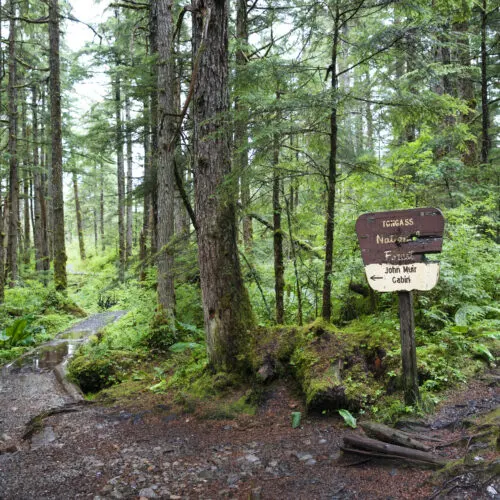
The Trump administration has proposed rescinding the 2001 Roadless Rule, which restricts road-building, road maintenance and commercial logging in designated undeveloped national forest areas. Critics warn that removing these protections could fragment habitats, damage forest ecosystems and threaten water supplies, particularly in places such as Alaska’s Tongass National Forest. The proposal matters because roadless areas are among the last large US landscapes largely free from roads and support wildlife, recreation and environmental resilience.
The rule covers more than 58 million acres of national forest land, though Idaho and Colorado operate separate state-specific protections; roadless areas exist in 38 states and Puerto Rico. The administration says lifting the restrictions on nearly 59 million acres would promote economic development, while a separate congressional amendment could also prevent the Forest Service from restoring the rule later. A 30-day public-comment period will begin after the formal proposal is published in the Federal Register.
In short
- US plans could remove protections from nearly 59 million forest acres.
- Critics fear harm to wildlife, forests and drinking water.
- Public comments will be invited for 30 days.
Steelman: both sides, in good faith
The strongest fair case each way — we don't pick a winner.
The case for
Proponents of rescinding the rule argue that the restrictions unnecessarily constrain economic opportunity and local prosperity in rural communities that have historically depended on forestry and natural resource development. They contend that modern forestry practices can be environmentally responsible whilst allowing managed extraction, that decision-making authority should rest with local stakeholders and the Forest Service rather than blanket prohibitions, and that economic development on currently protected lands could create jobs and revenue for communities that have experienced long-term economic decline.
The case against
Advocates for preserving the rule maintain that the nearly 59 million acres of roadless national forest represent irreplaceable ecological assets that cannot be restored once fragmented by road networks. They emphasise that roads enable habitat loss, water contamination and ecosystem disruption that inflict long-term environmental damage, whilst the recreational and ecological services these pristine areas provide have substantial economic value that far exceeds short-term extraction profits and warrants protection as a public trust.
Explained simply
The Roadless Rule was introduced in 2001 to limit new roads, road maintenance and commercial logging in large undeveloped areas of US national forests. It covers more than 58 million acres across 38 states and Puerto Rico, with separate protections in Idaho and Colorado.
The US Forest Service manages these forests, while the Trump administration has proposed ending the rule, saying this could support economic development. Conservation groups and other critics say roads and logging could break up wildlife habitats and affect forests and water supplies, including in Alaska’s Tongass National Forest.
These areas provide habitat for wildlife, places for recreation and forests that help protect water and withstand environmental pressures. The proposal could change how they are managed, and a public-comment period is due to begin after it is formally published.
Americas Environment Science World