Entertainment news and discussion on TalkFuse.
You might want to skip using a Bluetooth headset for a better gaming experience
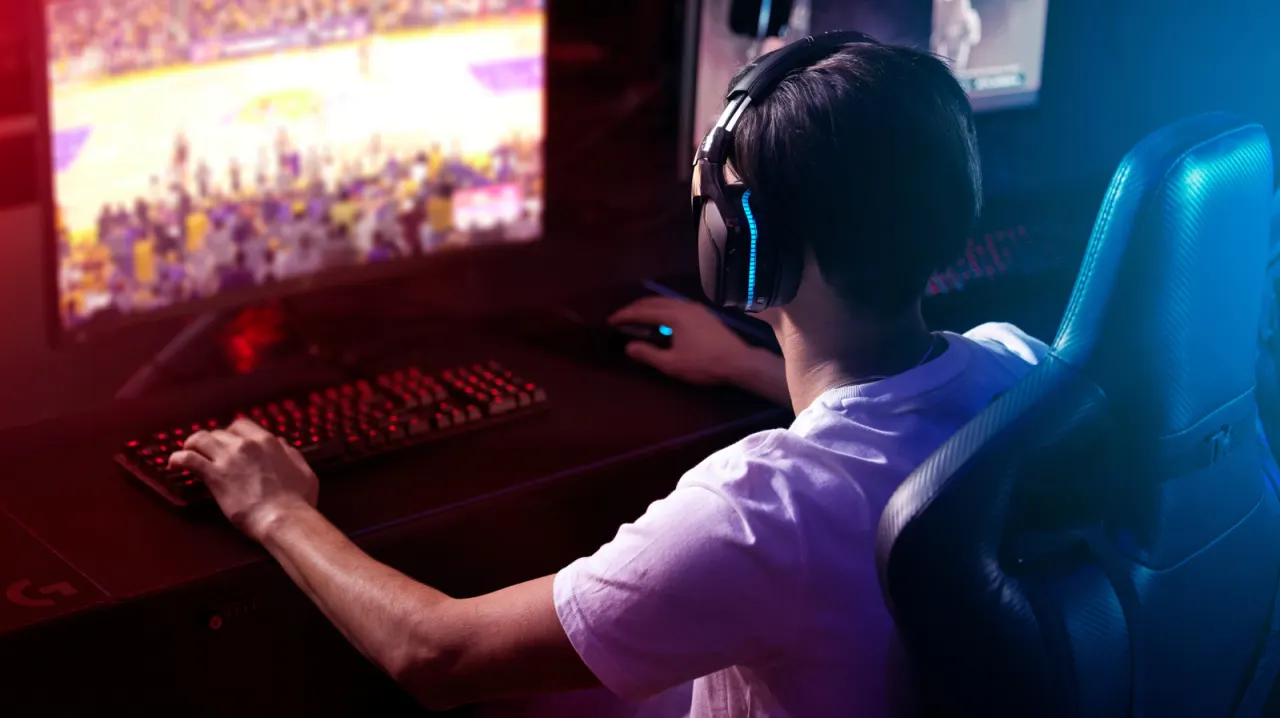
Bluetooth headsets are convenient for everyday listening but can hinder gaming because their audio delay may make important sound cues arrive too late. The article argues that this matters most in fast-paced, competitive and rhythm games, where milliseconds can affect reactions, while wired and 2.4GHz wireless options are generally more dependable.
Standard Bluetooth can add roughly 200 milliseconds of latency, although this varies by device and codec, and using its microphone can reduce audio quality during voice chat. Dedicated 2.4GHz gaming headsets typically achieve under 20ms latency via a USB dongle, but cost more and may require console-specific compatibility; wired headsets remain the lowest-latency, often cheaper alternative. PS5 users also cannot use native Bluetooth audio without workarounds.
In short
- Bluetooth delay can undermine timing-critical games.
- 2.4GHz wireless offers much lower latency.
- Wired headsets remain reliable and affordable.
Steelman: both sides, in good faith
The strongest fair case each way — we don't pick a winner.
The case for
For most casual and intermediate gamers, Bluetooth latency is negligible and unnoticeable in single-player, story-driven, and less time-sensitive multiplayer games. The convenience, universal compatibility, wireless freedom, and often lower cost make Bluetooth headsets the practical choice for players who game recreationally rather than competitively, and emphasising latency optimisation prioritises a niche use case over the majority experience.
The case against
Gaming headsets should match the demands of the activity. Any competitive or fast-paced game, and even casual rhythm games, suffer objectively from 200ms latency. Wired headsets offer excellent performance at low cost, and 2.4GHz wireless adds only modest expense for dramatically better latency and reliability. Recommending players upgrade to proper gaming headsets prevents frustration and ensures they experience games as the developer intended.
Explained simply
Gaming headsets send game sound to a player’s ears, either through a cable or wirelessly. Bluetooth is a common wireless connection for phones and everyday headphones, while many gaming headsets use a USB dongle and a separate wireless signal.
In quick-action and rhythm games, players rely on sounds to time movements and respond to events. If sound arrives after it happens on screen, it can make play less precise; Bluetooth delay varies between devices, and voice chat can affect sound quality.
Wired headsets generally have little delay and can be relatively inexpensive. Dedicated gaming wireless headsets can also keep delay low, but cost more and may not work with every console; the PS5 does not support standard Bluetooth audio directly.