Entertainment news and discussion on TalkFuse.
Diablo 3 Is Still the Best Diablo and I Will Die On This Hill, 14 Years Later
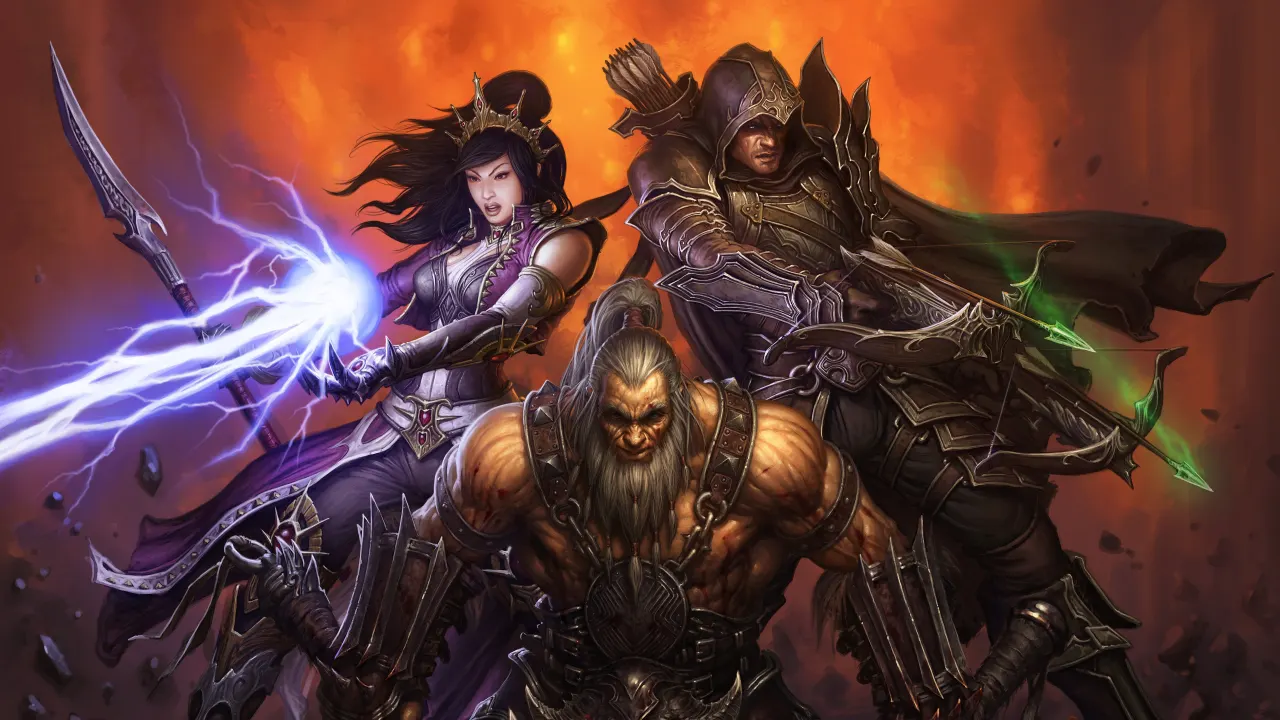
Polygon argues that Diablo 3 remains the strongest entry in Blizzard’s action role-playing series, despite its poor reputation at launch and the continued popularity of Diablo 2 among longtime fans. The writer says its accessible design, polished combat and comparatively self-contained structure make it the best choice for newcomers, particularly now that it is available on Xbox Game Pass.
The article acknowledges Diablo 3’s early problems, including network failures, a real-money auction house and criticism of its brighter visual style, but credits the 2014 Reaper of Souls expansion and console versions with transforming it. It praises the game’s responsive, movement-focused combat and flexible skill system, where players can readily alter builds around newly acquired equipment, while conceding that its campaign and broad high-fantasy tone are divisive.
In short
- Diablo 3 is presented as the series’ most immediately enjoyable game.
- Reaper of Souls repaired much of its troubled launch reputation.
- Its flexible builds and polished combat suit new players.
Steelman: both sides, in good faith
The strongest fair case each way — we don't pick a winner.
The case for
The case for Diablo 3 rests on the principle that a game's quality should be measured by how well it executes its design and serves its players. D3 offers genuinely polished, responsive combat with a skill system flexible enough to support various playstyles, particularly after the Reaper of Souls expansion remedied early missteps. Its accessible design doesn't compromise depth—it democratises it, allowing newcomers and veterans alike to enjoy engaging moment-to-moment gameplay without tedious grinding or unnecessarily opaque mechanics. In this sense, D3 represents the series at its most refined: a complete, self-contained experience that respects players' time whilst maintaining the action-RPG fundamentals that make the genre compelling.
The case against
Diablo 2 remains the superior design because itemisation, atmosphere, and challenge constitute the true heart of the action-RPG experience, and D2 excels at all three in ways D3 cannot match. D2's gothic aesthetic, meaningful character consequences, and unforgiving difficulty spikes create genuine investment in progression that D3's accessibility-first approach flattens; its legendary-dependent item system likewise undermines the claim of true build diversity by funnelling players towards predetermined loadouts. The fact that Diablo 4 deliberately returned to D2's darker tone, itemisation complexity, and harder difficulty curves suggests even Blizzard recognised that D3's streamlined philosophy represented a departure from what makes the franchise fundamentally distinctive. For many, D2's thriving community after decades speaks louder than design polish: players have chosen depth and atmosphere over convenience.
Explained simply
Diablo is a series of fantasy action games made by Blizzard Entertainment. Players explore dark, monster-filled settings, defeat enemies and collect equipment that makes their character more powerful. Diablo 2, released in 2000, became especially influential and remains a favourite among many players.
Diablo 3 was released in 2012 and was criticised for requiring an internet connection, suffering early server problems and including a real-money auction house. Blizzard later removed the auction house, while the Reaper of Souls expansion and console releases changed parts of the game’s structure and rewards.
The series has long prompted debate over whether fast, accessible combat or a darker, more demanding style better represents Diablo. Diablo 3 is designed to let players change abilities and equipment choices easily, while newer and older entries make different trade-offs in pace, atmosphere and complexity.