Taylor Sheridan Accused of Stealing ‘Yellowstone’ From 2016 Pitch in Copyright Lawsuit
Developed over time first seen 2 months ago
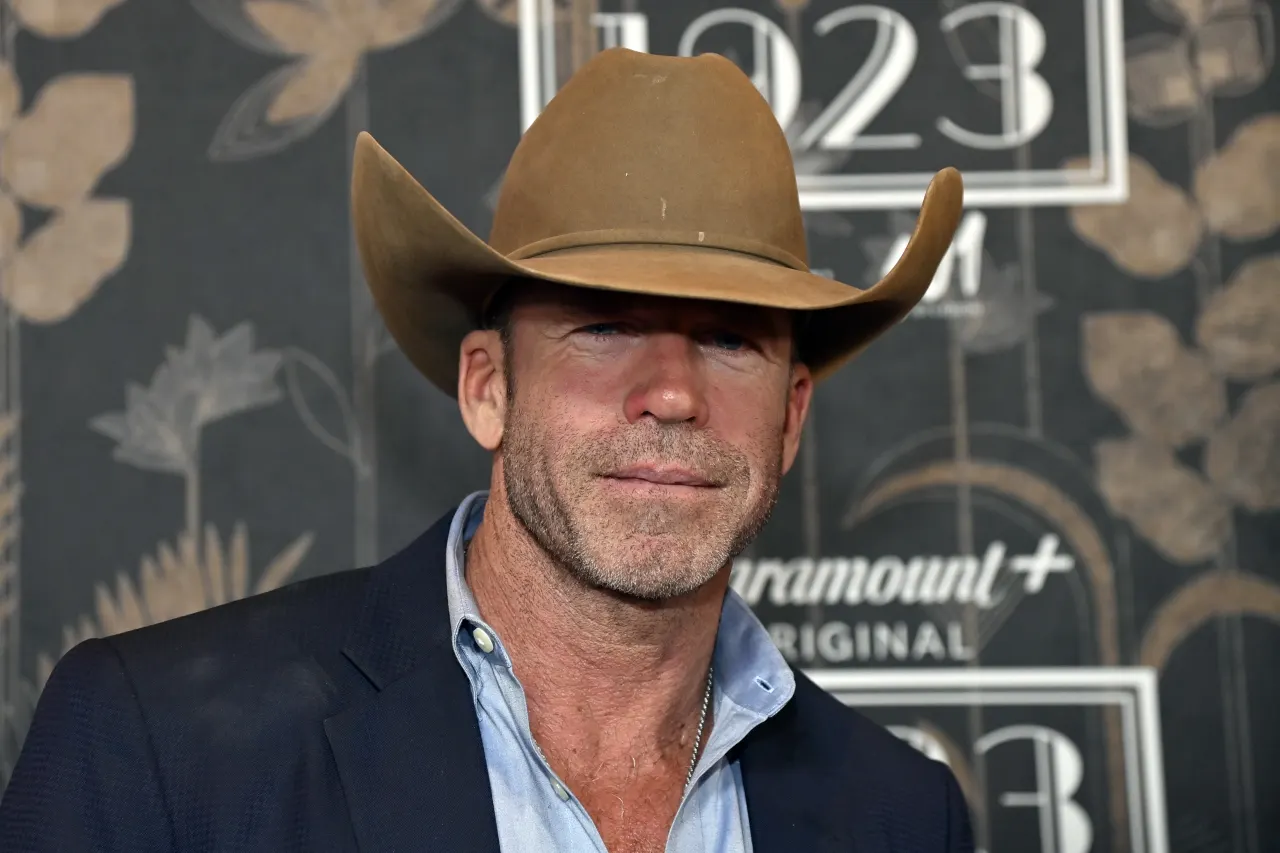
Writer Lauren J. Salkin has filed a copyright lawsuit alleging that Taylor Sheridan's hit series "Yellowstone" was lifted from her 2016 pitch for a Western drama called "Sovereign Nation". The suit names Sheridan, 101 Studios, Paramount and Elevate Entertainment as defendants, and claims that after Salkin was told Sheridan was "unavailable for TV projects," "Yellowstone" was greenlit at Paramount within months and premiered in June 2018. None of the defendants have responded publicly to the allegations.
The lawsuit sets out a series of alleged similarities between the two works, including a tribal casino as the institutional centre of political power, a confrontation staged in a tribal chairman's office over reservation boundary expansion, and shared land-development mechanisms such as trust land, an absence of zoning restrictions and a 99-year lease structure. Salkin's lawyers also allege she proposed actors Danny Huston and Gil Birmingham in her original pitch deck, both of whom were later cast in "Yellowstone" in what the suit calls "materially parallel structural roles". The filing argues that, taken together with access and timing, these parallels amount to "a strong inference of copying" rather than mere genre convergence.
- Writer sues Taylor Sheridan over alleged "Yellowstone" copyright theft
- Claims 2016 pitch "Sovereign Nation" shared casino, land-lease and casting elements
- Suit names Sheridan, 101 Studios, Paramount and Elevate Entertainment
New here? Start with this
Taylor Sheridan is the writer and creator behind "Yellowstone", the hit Paramount drama about a Montana ranching family, which first aired in June 2018 and went on to spawn several spin-offs. A separate writer, Lauren J. Salkin, says she developed her own Western drama, called "Sovereign Nation", and pitched it to Sheridan's management company, Elevate Entertainment, back in 2016.
Salkin's lawsuit, filed against Sheridan, production company 101 Studios, Paramount and Elevate Entertainment, argues that "Yellowstone" ended up sharing a number of specific ideas and details with her pitch, from its central plot devices to particular casting choices. Copyright law generally does not protect broad genre ideas, so cases like this usually turn on whether the similarities go beyond common tropes and instead point to one side actually copying the other's original work.
The case matters because it raises questions about how television projects are developed and who gets credit, and potentially compensation, when a hit show's origins are disputed. None of the parties being sued have yet responded publicly to the claims, and the allegations set out in the lawsuit have not been tested or proven in court.
Both sides, in good faith
The strongest fair case each way — we don't pick a winner.
The case for
Salkin's pitch contained specific institutional elements—a tribal casino as the nexus of political power, confrontations over reservation boundary expansion, and particular legal mechanisms like trust land and 99-year leases—that constitute particular creative choices rather than generic Western conventions. She demonstrably pitched these ideas to industry contacts, was then told Sheridan was unavailable, and within months Yellowstone entered development and reached air within two years, casting two actors from her proposed deck in structurally analogous roles. The combination of access, timing, and specific rather than generic parallels supports an inference of copying rather than coincidental convergence.
The case against
Western dramas centring on Native American governance and land disputes naturally draw from real-world institutional features and established genre conventions that any writer in this space would consider. Independent development of similar themes occurs routinely in Hollywood, where multiple writers often pursue comparable ideas simultaneously. Casting accomplished actors in similar roles across projects is common practice and does not indicate copying. The defendants would argue that thematic overlap and timing, whilst noteworthy, fall short of the concrete evidence courts require to establish copying, and that Sheridan likely developed Yellowstone through independent creation from established storytelling traditions rather than access to Salkin's full pitch materials.