Entertainment news and discussion on TalkFuse.
23 Years Later, Spike’s Best ‘Buffy’ Quote Is Still One of the Greatest Moments in TV History
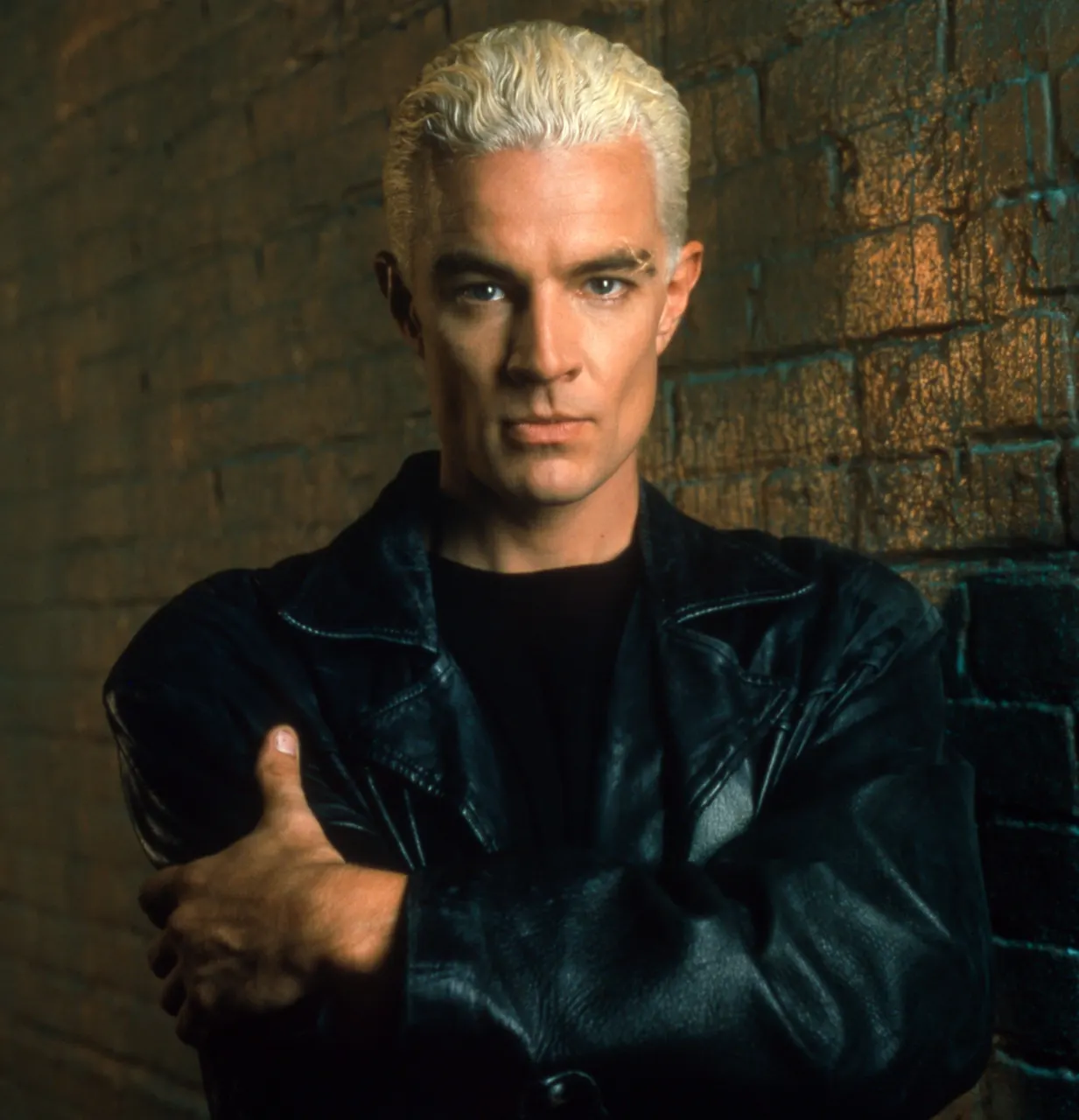
Polygon marks the 23rd anniversary of Buffy the Vampire Slayer's series finale by revisiting what it calls Spike's best line, delivered in the episode "Chosen." The moment caps a redemption arc that ran throughout the show, transforming Spike from a soulless villain into one of its most complex and beloved characters, and the article argues it remains one of television's great character send-offs.
As the Hellmouth collapses in the finale, Spike stays behind wearing a magical amulet to stop the demons escaping, sacrificing himself to save the world. When Buffy tells him "I love you," he replies "No, you don't. But thanks for saying it" — a rejection of comfort in favour of honesty that reflects how far he has come since his introduction as a punk villain in season two. His arc included a low point in season six, an off-screen quest to regain his soul, and Buffy's decision to trust him in season seven, culminating in a finale death scene the article rates among the greatest moments in TV history.
In short
- Polygon revisits Spike's finale line from Buffy the Vampire Slayer
- "No, you don't. But thanks for saying it" caps his redemption arc
- Spike sacrifices himself to close the Hellmouth and save the world
Steelman: both sides, in good faith
The strongest fair case each way — we don't pick a winner.
The case for
The moment is indeed one of television's greatest because it represents the pinnacle of Spike's multi-season redemption arc, with his final line perfectly crystallising his transformation from soulless killer to someone capable of genuine selflessness and emotional honesty. The scene's power lies in its refusal of easy sentimentality, instead offering a bittersweet acknowledgement of growth—Spike's willingness to die whilst rejecting false comfort demonstrates character arc execution at its finest.
The case against
Whilst the moment has genuine quality, claiming it ranks among television's absolute greatest moments overstates its achievement, particularly given that Spike's redemption arc involved narrative shortcuts like off-screen soul acquisition and accelerated character development in the final season. The broader Buffy finale, though beloved by many, remains critically divisive for pacing and thematic execution, which necessarily affects how one evaluates this specific scene's historical significance relative to television's broader artistic accomplishments.
Explained simply
Buffy the Vampire Slayer was a fantasy television series that ran from 1997 to 2003, following a teenage girl chosen to fight vampires and other supernatural threats. Among its large cast, Spike began as a menacing vampire villain introduced in the show's second season, before gradually becoming a more sympathetic and morally complex figure over the following years.
The character's transformation, often called a redemption arc, included a difficult period in season six, a journey to regain his soul, and a growing bond of trust with the show's lead, Buffy, by the final season. This slow evolution from antagonist to self-sacrificing ally is central to why his exit in the finale resonates with long-time viewers.
The story centres on the show's 2003 series finale, "Chosen," in which Spike dies destroying the source of the villains' power, and a brief exchange between him and Buffy in his final moments. Retrospective pieces like this one revisit such scenes on anniversaries because Buffy remains a widely discussed and influential series in television history, and its emotional high points continue to be reassessed by critics and fans.