‘Pretty shambolic’: new EU border checks cause stress for UK travellers
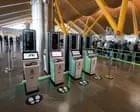
The EU's new Entry/Exit System (EES), which requires non-EU citizens to be photographed and fingerprinted when crossing Schengen borders, has caused significant frustration for British travellers this summer, with reports of long queues, missed connections and record-keeping errors. Although the scheme has technically been in full force since April, following its launch last autumn, it has been plagued by technical problems, and the European Commission rejected calls from airports and airlines to pause its rollout during the busy summer period, despite allowing border police a temporary opt-out to ease queues if needed.
Travellers described a range of issues with the system, which is meant to track whether non-EU citizens exceed their 90-day allowance within any 180-day period. Martin Farrall, a 67-year-old retired professor from Warwickshire, found his exit from the Schengen zone had not been recorded after a ferry crossing in May, leaving his account showing an incorrectly dwindling day allowance that briefly reached zero before self-correcting weeks later; he received no response after reporting the error to French authorities. Nadia, a solicitor from Greater Manchester, reported a smooth experience in Tenerife but faced extremely long, poorly signposted queues at Frankfurt airport in July, where officials skipped fingerprinting entirely due to the backlog, leading her to question why member states' systems fail to share data with one another. The opt-out allowing relaxed border checks is due to expire next month.
- New EU EES border checks are causing long queues and travel chaos.
- System has failed to properly log some travellers' entry and exit dates.
- Border police's queue-relief opt-out expires next month.
New here? Start with this
The EU's Entry/Exit System (EES) is a new digital border-checking scheme requiring non-EU citizens, including British travellers, to be photographed and have their fingerprints taken when entering or leaving the Schengen area, the group of European countries that operates without internal border checks. It replaces the old system of manually stamping passports and is designed to automatically track how long visitors stay, since non-EU citizens are generally limited to 90 days within any 180-day period.
The scheme began rolling out gradually last autumn and became fully operational in April, but it has been beset by technical glitches since launch. Airports and airlines had asked the European Commission to delay the busy summer rollout, but this was refused, though border police were given a temporary option to ease checks manually if queues built up too much.
The system matters to UK travellers in particular because, since Brexit, Britons are treated as non-EU citizens when visiting most of Europe, meaning they are subject to these new checks and day-limit rules. Problems reported so far include long queues, missed connections and errors in recording entry and exit dates, which can affect how much time someone is allowed to spend in the EU. The temporary opt-out allowing relaxed checks is due to end next month, which may affect how the system operates going forward.