Met Police seizes 100s of stolen phones and arrests more than 700 people in its ‘largest ever crackdown on Lawless London’s cell thieves’
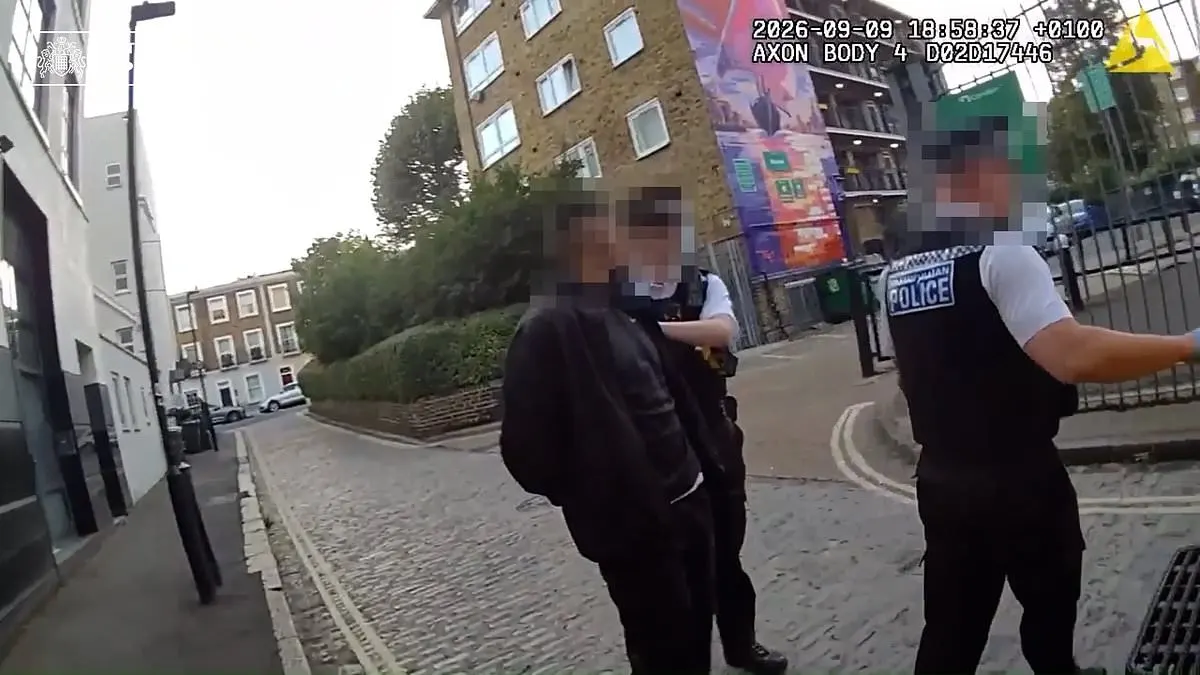
The Metropolitan Police have arrested more than 700 people and seized hundreds of stolen phones in what they describe as their largest-ever crackdown on phone theft in London. The operation targeted every stage of the organised criminal chain, including street thieves, handlers and exporters, following years during which the capital became synonymous with mobile phone robberies, with more than 80,000 thefts recorded in 2024. The intensive crackdown marks a significant effort to address a crime that had left victims with little hope of catching perpetrators.
Phone theft and robbery offences fell from 81,439 in 2024 to 71,867 in 2025, a reduction of approximately a fifth, with 9,000 fewer victims this year. Westminster, where nearly a third of London's thefts occur, saw offences drop by almost 50 per cent. The Met deployed drones, e-bikes and facial recognition technology to identify suspects, whilst also raiding second-hand phone shops suspected of handling stolen goods. Previously, almost nine in ten phone theft cases were closed without a suspect being identified.
- More than 700 people arrested and hundreds of phones seized in Met crackdown
- Phone theft offences fell by a fifth in 2025, with 9,000 fewer victims
- Operation used drones, e-bikes and facial recognition to target thieves throughout the criminal chain
New here? Start with this
London has experienced a significant problem with phone theft over several years, with more than 80,000 thefts recorded in 2024 alone. Thieves typically target people on the street or using public transport, stealing phones to sell them. The crime was so widespread that almost nine in ten cases went unsolved by police.
Phone theft in London works through an organised network of criminals at different stages. Some steal phones from people in the street, others buy and sell the stolen phones, and still others send them abroad for resale. Rather than focusing only on street thieves, police decided to target the entire network that enables phone theft.
The police operation has achieved measurable progress, with phone thefts falling by roughly a fifth in 2025 compared to 2024. Westminster, which accounts for nearly a third of London's phone thefts, saw the largest improvements with offences declining by almost half. These results represent significant progress after years when phone theft seemed nearly impossible for police to prevent.
Both sides, in good faith
The strongest fair case each way — we don't pick a winner.
The case for
This operation addressed a genuine crisis—80,000+ phone thefts in 2024 had become intractable and devastating for victims. The comprehensive strategy of targeting the entire criminal chain, from street thieves to exporters, combined with modern technology, produced real results: a 20% reduction in thefts, 9,000 fewer victims, and a 50% drop in Westminster. Evidence-based policing of this kind is precisely what authorities should deploy against organised crime that was making Londoners feel unsafe.
The case against
Whilst the reduction in thefts is welcome, the operation raises legitimate concerns about mass surveillance and its precedent in British policing. Intensive use of facial recognition and drones, however effective, deserves greater public scrutiny about necessity and safeguards for civil liberties. Some argue these concentrated resources might address root causes of organised crime rather than street-level symptoms, and the 20% reduction, whilst significant, still leaves over 70,000 victims annually—suggesting sustainability questions remain.