Humanoid robots have beaten Usain Bolt’s 100-meter dash record
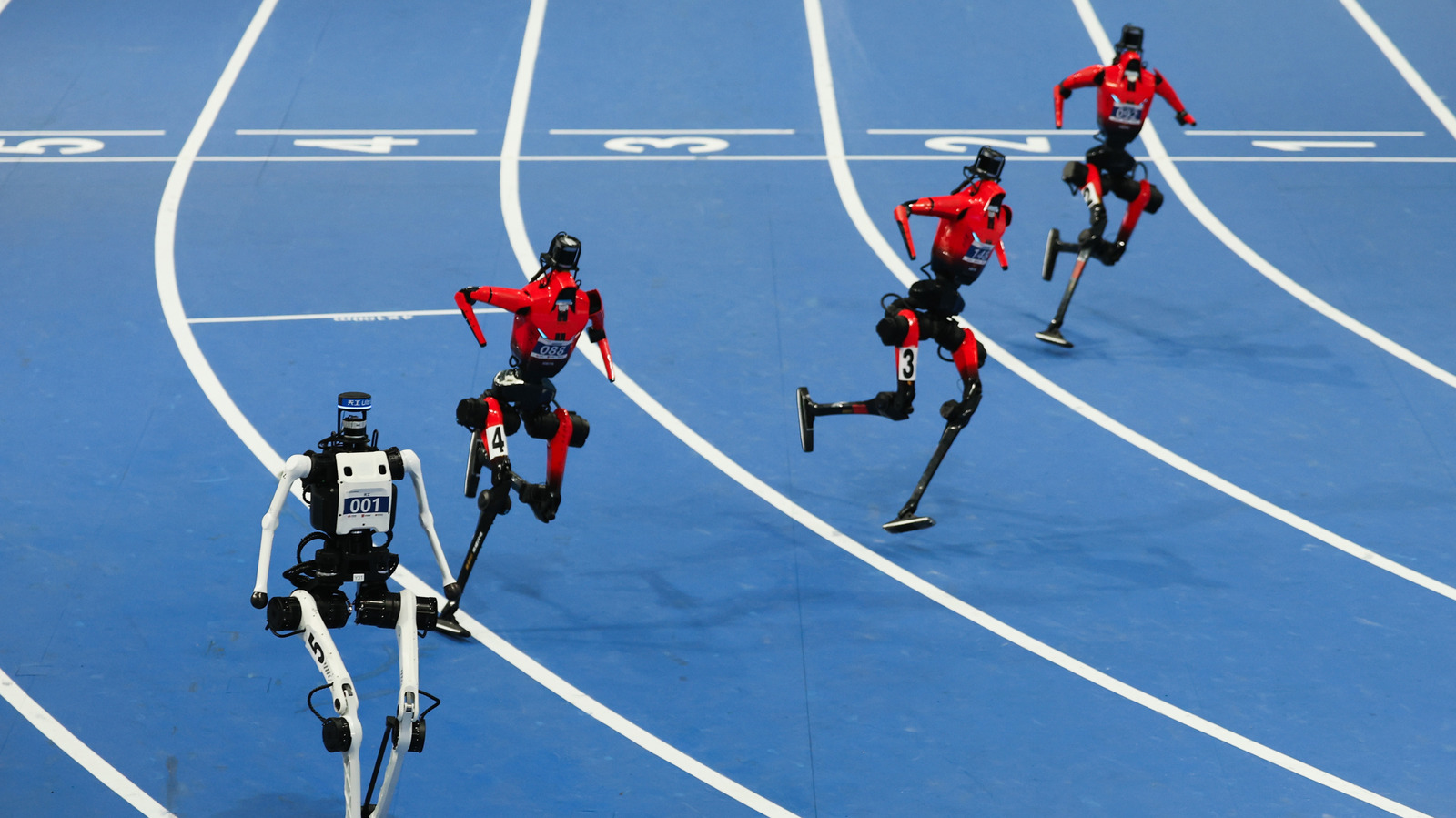
At the second annual World Humanoid Robot Games in Beijing, the Tiangong Ultra humanoid robot completed a 100-metre dash in 9.39 seconds during a preliminary heat, edging out Usain Bolt's 2009 human world record of 9.58 seconds. The achievement highlights the rapid pace of progress in humanoid robotics, though the robots' ungainly performances after crossing the line underscored how far the technology remains from practical, commercial use.
The Tiangong Ultra, developed by the Beijing Humanoid Robot Innovation Center, beat Honor's Lightning robot, which finished in 9.47 seconds; both marked a huge leap from last year's inaugural event, where the same robot won in 21.5 seconds. Several competitors crashed into safety pads after finishing, with some requiring human assistance to be carried off. Beijing also hosted a robot half-marathon, won by Honor's Lightning robot in 50 minutes and 26 seconds, another result that beat a human benchmark. The Games run from 22 to 26 August and include events beyond athletics, such as football, table tennis and boxing.
- Tiangong Ultra ran 100m in 9.39s, beating Bolt's record
- Robots crashed into pads after finishing, some needed help
- Honor's Lightning robot also won a half-marathon in Beijing
New here? Start with this
Humanoid robots are advancing quickly, and organisers in China have started staging sporting events to showcase this progress. The World Humanoid Robot Games, now in its second year, brings together robots built by different companies and research institutes to compete in athletics and other sports, testing how well they can move, balance and race compared with humans.
The Beijing Humanoid Robot Innovation Center, which built the Tiangong Ultra robot, and the technology firm Honor, whose Lightning robot competes in the same events, are among the key developers involved. Progress between the two annual events has been rapid, with race times improving dramatically compared with the previous year, though the robots have still struggled with balance and control once a task is finished.
This matters because it offers a visible, easy-to-follow benchmark for how fast humanoid robot technology is improving, even as the same events reveal how far the machines remain from being reliable or ready for everyday, commercial use. The Games, running in Beijing from 22 to 26 August, also include other contests such as football, table tennis and boxing.