Security vets rally around $4 paper password books for sale in Australia
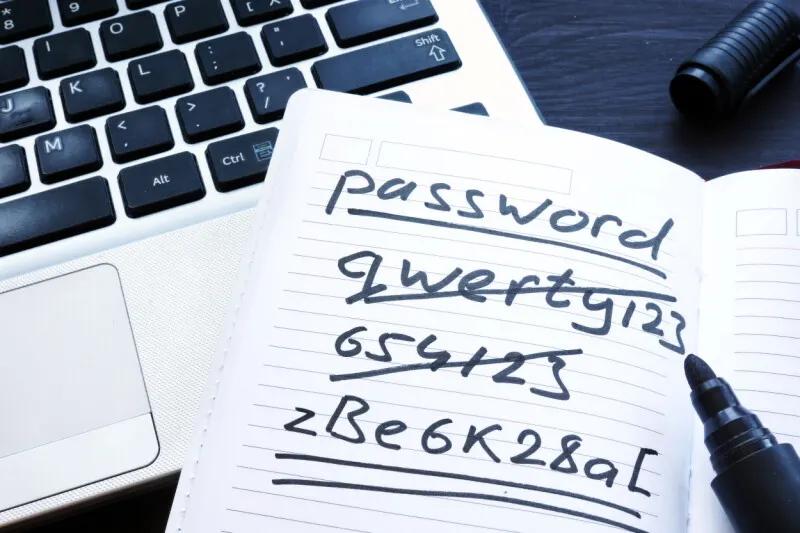
Australian post offices have started selling small paper "password books" for AU$4.90 (about US$3.51), and a viral social media post about the find has drawn a surprisingly warm response from security professionals who once dismissed the idea as poor practice. Where password books were traditionally seen as a security risk, many infosec commentators now argue that a physical notebook kept at home is safer than the alternatives most people actually use, such as reusing weak passwords across sites or storing credentials in cloud documents like Apple Notes or Google Docs, given how common infostealer malware has become.
The books, sold by AusPost, come in a small size for AU$4.90 with larger versions costing about a dollar more. Commentators acknowledge real drawbacks: the book is a single point of failure if lost or stolen, it cannot store modern passkeys, and it lacks the auto-fill, breach-monitoring and password-generation features of digital password managers. Experts still recommend password managers for workplace use, noting that physical credentials left in an office are vulnerable to theft during break-ins or pentesting exercises, as illustrated by consultant Alethe Denis's account of a corporate breach carried out using physically stolen Wi-Fi credentials.
- AusPost sells $4.90 paper password books, sparking security debate
- Experts now say home use is safer than weak/reused passwords
- Still risky at work, and can't store modern passkeys
New here? Start with this
Australians can now buy a small paper notebook for AU$4.90 at post offices, designed simply for writing down passwords by hand. A social media post about the product went viral, and, notably, many cybersecurity professionals responded warmly rather than dismissively, which is unusual given that such notebooks have long been considered a poor security habit.
The renewed interest reflects a shift in thinking among security experts. With malicious software that steals saved passwords from computers and phones now widespread, some professionals argue that a physical notebook kept safely at home compares favourably to common habits like reusing the same weak password everywhere or storing login details in ordinary cloud-based notes apps.
The debate matters because password security affects almost everyone who uses the internet, and it touches on a wider question of how ordinary people can protect their accounts without needing specialist tools. Experts still caution that paper notebooks have limitations, including the risk of loss or theft and their unsuitability for office environments, and most continue to recommend dedicated password manager software for many everyday uses.
Both sides, in good faith
The strongest fair case each way — we don't pick a winner.
The case for
Many security professionals now argue that practical security should be measured against what people actually do rather than ideals they ignore. When users default to password reuse or storing credentials in unsecured cloud documents—both highly vulnerable to infostealer malware—a physical notebook at home offers meaningful protection. Whilst password books have real limitations and suit workplace environments poorly, for home users they represent genuine improvement over the dangerous shortcuts commonly adopted.
The case against
Security professionals contend that endorsing paper password books risks normalising outdated practices and undermining efforts to establish proper security standards. Physical notebooks are singular points of failure vulnerable to theft or loss, cannot support modern authentication methods like passkeys, and lack features such as breach alerts that digital solutions provide. Rather than accepting poor user behaviour as inevitable, the focus should remain on improving access to quality digital password managers and building understanding of what genuine security requires.