GM vehicles under federal scrutiny after hundreds of reports
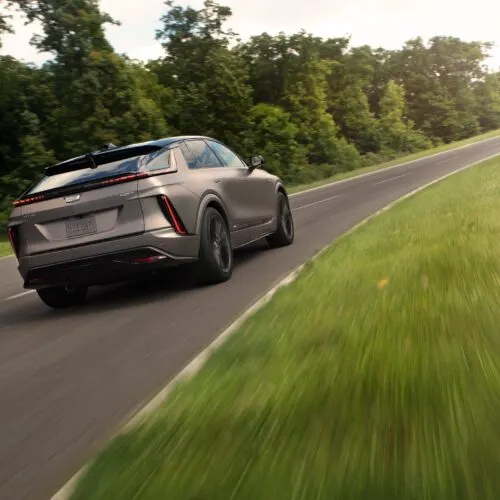
The US National Highway Traffic Safety Administration has widened a safety investigation into General Motors after hundreds of reports of brake failure linked to the automaker's "eBoost" brake-by-wire system. The fault, which involves a spindle fracture that can occur while a vehicle is being driven, affects more than 1.1 million vehicles, including several GM electric models as well as vehicles it manufactures for Honda and Acura. The escalation matters because it raises questions about whether GM's own safety assurances about the fault match what drivers are actually experiencing on the road.
GM has said that even if a spindle fracture occurs, key safety systems such as antilock brakes, traction control and stability control should remain functional until the vehicle comes to a complete stop. However, regulators say many reports contradict this, describing an immediate loss of braking following an eBoost failure. NHTSA has logged 227 incident reports directly, rising to 745 when GM's own reports are included, with 22 crashes and six injuries recorded across five incidents, though no fatalities so far. Affected models span 2023–2026 model years and include the Cadillac Lyriq, Chevrolet Colorado, GMC Canyon, Buick Enclave and Envision, Chevrolet Blazer EV, Equinox EV and Traverse, Cruise Origin, GMC Acadia, Cadillac Celestiq and Optiq, plus the Acura ZDX and Honda Prologue.
- NHTSA expands probe into GM's eBoost brake-by-wire failures
- Over 1.1 million vehicles affected, including Honda and Acura models
- 745 reports, 22 crashes, six injuries, no deaths so far
New here? Start with this
eBoost is a brake-by-wire system: it uses electronic controls to help operate a vehicle’s brakes. General Motors (GM) makes vehicles with this system, and also supplies some vehicles using it to Honda and Acura.
US safety regulators investigate reports of possible vehicle defects and can widen an investigation as they gather information. In this case, the reports concern a spindle, a part of the eBoost system, that may break while a vehicle is being driven; the vehicles involved include electric and petrol models from several brands.
The issue matters because drivers rely on braking and related safety systems to slow and control a vehicle. GM says some safety features should continue working after a break, while reports to regulators describe braking being lost; the investigation may help establish how the fault affects vehicles and drivers.
Both sides, in good faith
The strongest fair case each way — we don't pick a winner.
The case for
Those defending the current approach note that despite over 740 reports, there have been no fatalities, suggesting the system retains meaningful redundancy even under failure conditions and this appears to be an identifiable manufacturing defect rather than a fundamental design flaw. They argue such issues are properly addressed through investigation and targeted remediation rather than suspending a technology that advances vehicle safety overall, with early detection demonstrating regulatory processes working as intended.
The case against
Critics contend that the significant gap between GM's engineering assurances about system functionality and widespread driver reports of immediate braking loss represents an unacceptable failure in pre-market validation. They argue that brake systems demand the highest confidence, and deploying brake-by-wire to 1.1 million vehicles without ensuring it performs as promised—particularly given 22 crashes and 6 injuries across 745 reports—violates precautionary principles governing critical safety systems.