Caste divides make scorching summers harder in a parched corner of India
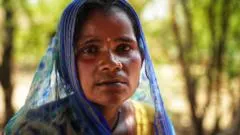
In the drought-prone Bundelkhand region of northern India, residents from Dalit communities say caste discrimination is compounding the difficulty of finding water as summer temperatures soar. In Mamta's village in Jalaun district, government taps have been dry for two years, forcing most of the 1,000 residents to rely on a handful of handpumps, but Dalit women say they must wait until dominant-caste villagers finish using them, with some upper-caste residents reportedly "cleansing" the pump afterwards. Researchers say this reflects a long-standing divide that is being intensified by worsening heat and water scarcity, as more families are forced to compete for the same limited sources.
Bundelkhand, spanning parts of Uttar Pradesh and Madhya Pradesh, has suffered repeated major droughts since 2002, and rocky terrain limits groundwater storage, while erratic rainfall and rising temperatures, which have neared 48C in recent summers, have made supplies increasingly unreliable. Local officials and dominant-caste residents interviewed by the BBC deny any caste-based discrimination at water points, attributing tensions instead to genuine shortages from dried-up wells and unreliable taps. However, Dalit residents in Jalaun and nearby Shahjahanpur describe deliberately avoiding the pumps when dominant-caste families are present, saying fear of confrontation shapes when and how they collect water.
In short
- Dalits in Bundelkhand say caste bias worsens water access as heat rises
- Government taps dry for years; most rely on shared handpumps
- Officials deny discrimination; Dalits describe avoiding pumps to prevent conflict
Steelman: both sides, in good faith
The strongest fair case each way — we don't pick a winner.
The case for
Multiple Dalit residents across villages report consistent patterns of enforced differential access—mandatory waiting and ritual cleansing of water sources—practices historically associated with caste-based exclusion. Researchers identify this as a pre-existing discriminatory structure being intensified rather than created by scarcity. The systematic fear-based avoidance described suggests real power asymmetries rooted in caste identity, indicating discrimination operates alongside and amplifies effects of resource shortage.
The case against
The documented scarcity is severe and extreme—government taps dry for two years, only a handful of handpumps for 1,000 people—naturally creating fierce competition where any community would prioritise protecting access for its own members. Local officials and dominant-caste residents deny discrimination occurred, and the universal human pattern of competing for scarce resources parsimoniously explains the observed tensions and access hierarchies without requiring additional assumptions about caste discrimination.
Explained simply
Bundelkhand is a drought-hit region in northern India, stretching across Uttar Pradesh and Madhya Pradesh, where summer temperatures can reach nearly 48C and rainfall has become increasingly unpredictable. The area has faced repeated severe droughts since 2002, and its rocky ground makes it hard for water to be stored underground, so villages often depend on a small number of shared water points such as handpumps.
India's caste system is a centuries-old social hierarchy that, despite legal protections, continues to shape daily life in many communities, including access to shared resources like water. Dalit communities, once known as "untouchables", sit outside the traditional caste hierarchy and have historically faced exclusion and discrimination, including at wells and water points, from those in dominant castes.
The story centres on how this long-standing social divide intersects with a worsening environmental problem. As water becomes scarcer and heat more extreme, competition for limited supplies increases, and researchers, residents and local officials offer differing accounts of how far caste plays a role in who gets water, and when.