Waymo is expanding to Germany, with service in Munich planned for 2027
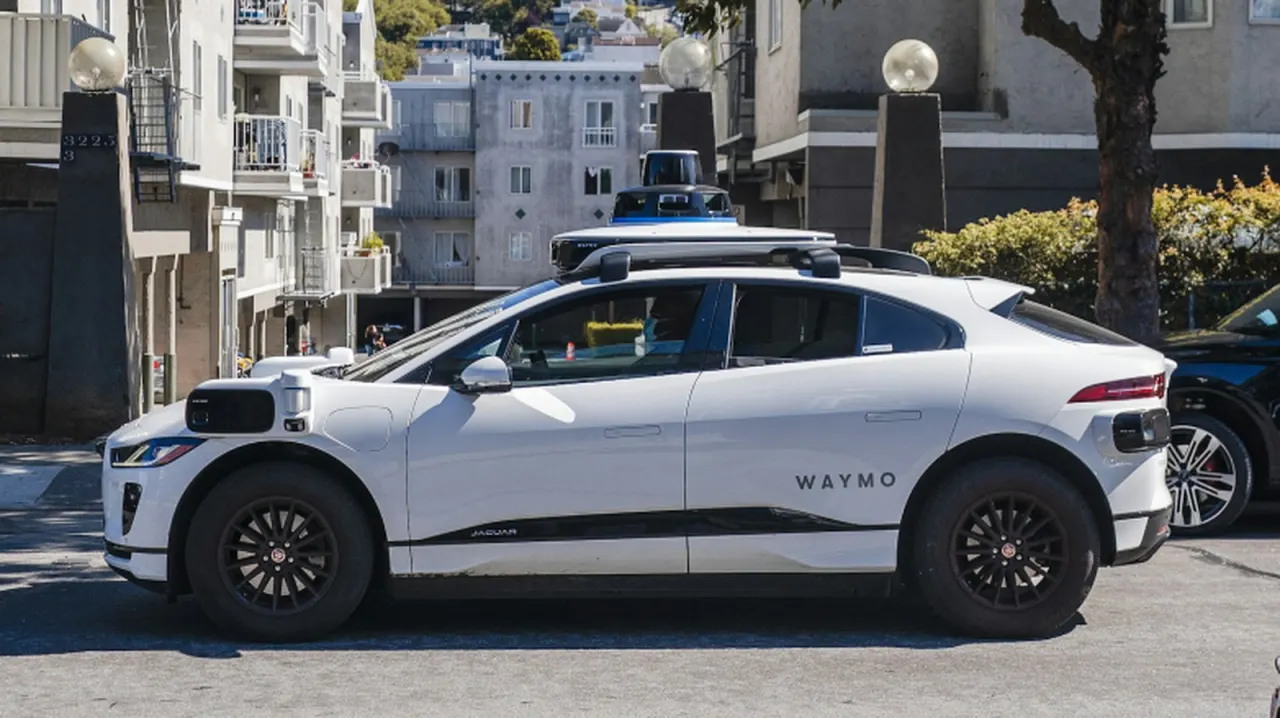
Waymo has announced plans to bring its robotaxi service to Munich, marking its first foray into the European Union, with commercial operations targeted for the end of 2027. The move forms part of a broader European push by the Alphabet-owned company, which follows swiftly on the heels of its planned launch in London and signals growing confidence in autonomous vehicle technology gaining regulatory acceptance across the continent.
In the coming weeks, Waymo will begin deploying vehicles in Munich, Germany's third-largest city, to map local streets and conduct testing with safety drivers still at the wheel. The company says it is liaising with local, state and federal officials to secure the necessary permits for fully driverless rides by next year. Germany joins a growing list of European markets where Waymo has set up subsidiaries this summer, including France, Spain, the Netherlands and, more recently, Switzerland, while London remains on track for public rides as soon as next month.
In short
- Waymo targets Munich for commercial robotaxi service by end of 2027
- It's Waymo's first planned EU location, alongside imminent London launch
- Waymo has also set up subsidiaries in France, Spain, Netherlands and Switzerland
Steelman: both sides, in good faith
The strongest fair case each way — we don't pick a winner.
The case for
Autonomous vehicles represent a genuine safety advancement, with the potential to reduce the thousands of deaths caused annually by human driving error whilst easing urban congestion and lowering emissions. Waymo's methodical approach—beginning with mapped testing and regulatory liaison—demonstrates responsible scaling of technology already proven elsewhere. The expansion creates economic opportunity in advanced technology and improves mobility for elderly and disabled passengers who cannot drive.
The case against
Deploying fully autonomous vehicles at scale raises substantial unresolved safety questions in complex urban environments, alongside serious concerns about cybersecurity vulnerabilities and legal liability for accidents. The expansion threatens the livelihoods of hundreds of thousands of professional drivers across Europe without clear social provisions for retraining, and it proceeds ahead of comprehensive regulatory frameworks adequate to manage genuine risks. Germany's cautious approach reflects legitimate concern that corporate expansion priorities may outpace public safety protections and workforce welfare.
Explained simply
Waymo is a company owned by Alphabet, which also owns Google. It runs taxi services using cars equipped with sensors and software designed to drive without a human driver, though its vehicles may still have safety drivers during testing.
Munich is Germany’s third-largest city, and the planned service would be Waymo’s first in the European Union. The company will need approval from public authorities before offering driverless rides, as rules and safety checks shape where such services can operate.
The expansion is part of a wider effort by Waymo to enter European markets. Its progress matters to cities and transport regulators weighing how driverless taxis could fit into local transport systems.