New releases, music videos and album news — indie, rap, rock and pop. Always covering Ren, Chris Webby, Sam Tompkins, bbno$, CHINCHILLA, Muse, Yungblud and more.
From Donna Summer to Blondie and new wave: Tracing the 1970s rise of disco
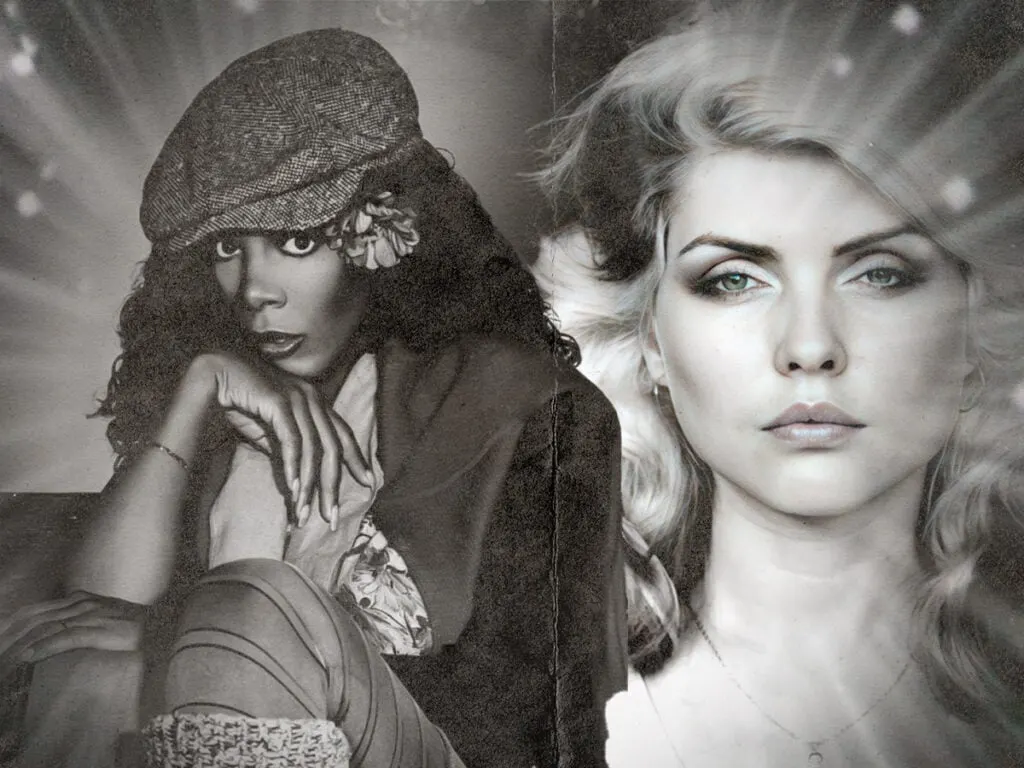
Far Out Magazine has published a timeline tracing how disco rose from a niche sound in the early 1970s to a dominant global genre and cultural movement by the end of the decade. The piece charts disco's evolution through the artists and records that shaped it, showing how the genre grew out of New York's club scene before crossing over into the mainstream and influencing other movements, including the emerging new wave scene centred on CBGB's.
Key milestones include George McCrae's 1974 hit "Rock Your Baby", the UK's first disco number one, and a breakthrough year in 1975 with releases such as Van McCoy's "The Hustle" and Donna Summer's "Love To Love You Baby". Donna Summer and producer Giorgio Moroder proved especially influential, notably with 1977's "I Feel Love", which reportedly led Brian Eno to tell David Bowie he had heard "the sound of the future". The same year, "Saturday Night Fever" turned disco into a cultural phenomenon, while by 1978 and 1979 acts including Chic, Gloria Gaynor, the Bee Gees and Blondie – whose "Heart of Glass" fused disco with new wave – cemented its dominance of the charts.
In short
- Article traces disco's rise from early 1970s clubs to late-decade mainstream dominance
- Donna Summer and Giorgio Moroder's "I Feel Love" proved hugely influential across genres
- "Saturday Night Fever" and Blondie helped push disco into wider cultural consciousness
Explained simply
Disco grew in the early 1970s from dance music played in New York clubs, where DJs used steady beats and long records to keep people dancing. Its roots included Black, Latino and gay club communities, and the sound soon spread beyond those venues.
Singers such as Donna Summer and producers such as Giorgio Moroder helped shape disco’s music and reach. George McCrae, Van McCoy, Chic, Gloria Gaynor and the Bee Gees also brought the style to wider audiences through popular records.
Disco’s influence reached beyond dance clubs and the charts. Blondie’s “Heart of Glass” blended disco with new wave, a style associated with New York’s CBGB club, showing how musicians carried disco sounds into other kinds of pop.