Amplitude denies AI use in Humankind 2 trailer
Developed over time first seen 2 months ago
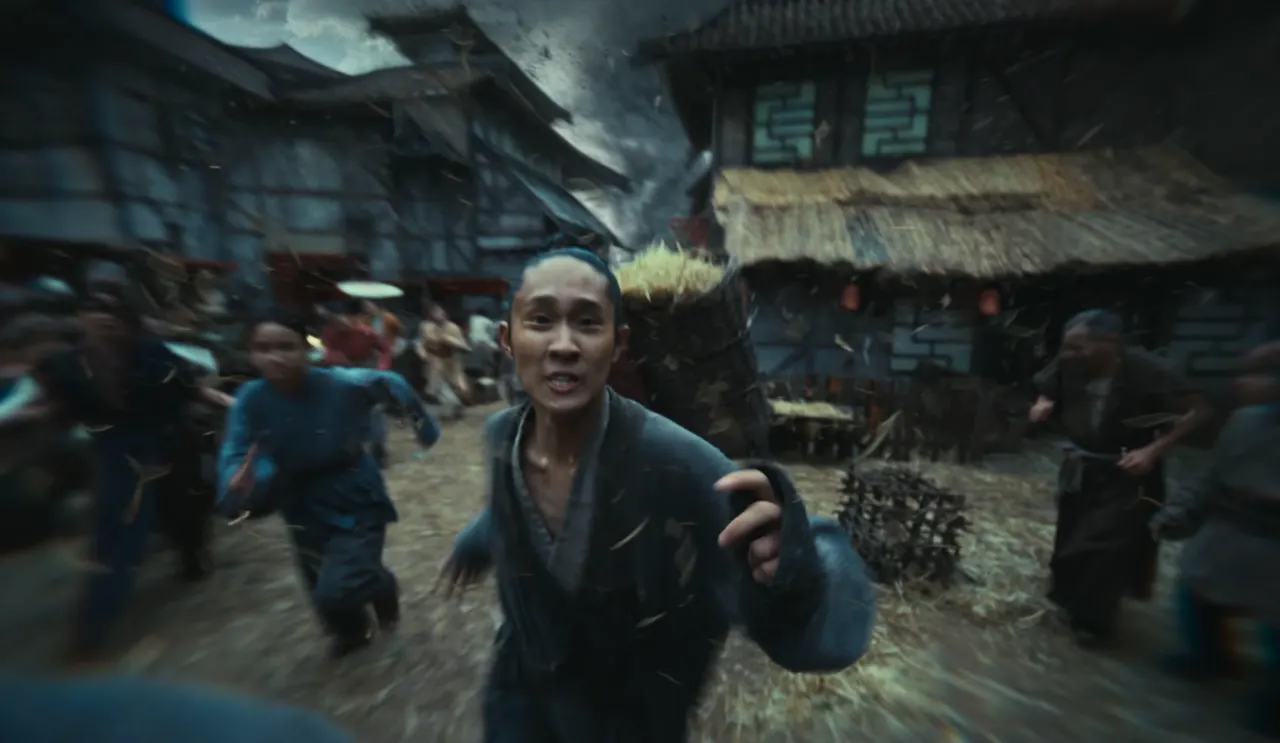
Amplitude Studios has publicly rejected claims that a trailer for its upcoming strategy game Humankind 2 was made using artificial intelligence, insisting the footage instead relied on real actors, practical sets and custom-made props. The dispute arose after some viewers online branded the trailer "AI slop" due to its visual style, illustrating the growing sensitivity within gaming and entertainment audiences towards suspected AI involvement in official marketing material.
The controversy centred purely on the trailer's look, which some found artificial-looking enough to prompt accusations, though the studio has firmly denied any AI generation was used in its production. Amplitude Studios' clarification stands as the final word on the matter, with the row concluding without any further evidence or escalation reported beyond the studio's statement defending its traditional production methods.
- Amplitude Studios denies AI use in Humankind 2 trailer
- Studio says real actors, sets and props were used
- Row reflects wider concern over AI in game marketing
New here? Start with this
Amplitude Studios is the developer behind Humankind, a turn-based strategy game, and is now working on a sequel, Humankind 2. A promotional trailer for the game has become the subject of debate after some viewers online suggested its visuals looked artificially generated, using the term "AI slop" to describe content they believed was made or heavily assisted by AI tools rather than human creators.
The wider context is a growing sensitivity within gaming and entertainment audiences towards the use of AI in marketing and creative work, with many viewers wary of studios using AI to cut costs or corners. This has made game trailers and other promotional material a frequent flashpoint, where anything with an unusual or synthetic visual style risks being accused of being AI-made, whether or not that is actually the case.
Amplitude Studios has pushed back on the claims, stating that the trailer was made using conventional filmmaking methods, including real actors, physical sets and props built specifically for the shoot, rather than AI-generated imagery. The dispute matters because it touches on questions of trust between game studios and their audiences, and on how creative industries are responding to public concern about AI's growing presence in entertainment production.
Both sides, in good faith
The strongest fair case each way — we don't pick a winner.
The case for
Sceptical viewers can point to a genuine and growing pattern across the games and entertainment industries of marketing material being generated or heavily augmented by AI, sometimes without disclosure, so treating a trailer with an unusually synthetic or 'off' visual texture as suspect is a reasonable, pattern-informed reaction rather than a baseless accusation. Given how convincing AI-generated imagery has become, audiences arguably have a legitimate interest in scrutinising promotional content and pressing studios for transparency, especially when a trailer's look diverges from what practical production traditionally produces.
The case against
Amplitude Studios and its defenders can reasonably argue that a studio's direct, specific statement, that the trailer used real actors, practical sets and custom-made props, deserves to be taken at face value absent any concrete evidence to the contrary, and that jumping to 'AI slop' accusations based purely on a subjective visual impression risks unfairly maligning the work of genuine cast and crew. They would also note that stylised or heavily art-directed practical footage can look artificial without any AI involvement, so treating an unusual aesthetic as proof of AI use conflates correlation with evidence.
More coverage
Celebrity Entertainment Space Technology
Read the full article at the source →
Originally published by PC Gamer as “Humankind 2 trailer accused of being ‘AI slop,’ studio says nope: ‘real actors, practical sets, and custom-made props’”.