Andy Burnham warned that Britain faces impending Russian ‘attack’ over its support for Ukraine
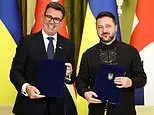
Andy Burnham has reportedly been warned by security experts that Britain faces a "direct response" from Vladimir Putin over its support for Ukraine, after the Prime Minister's visit to Kyiv dispelled Kremlin hopes that he would take a softer line than his predecessor Sir Keir Starmer. The warning matters because it points to escalating tension between Russia and the UK, with sources suggesting an attack on British defence or security infrastructure is now "inevitable" given the UK's high-profile backing of Ukraine, including intelligence-sharing and military cooperation.
Sources told the Daily Mail that Russia might respond through actions such as a drone attack, arson, or cyber strikes, potentially using sleeper cells already in the country, while trying to keep any action below the threshold that would trigger a Nato military response. The alert coincided with an emergency visit to Moscow by CIA director John Ratcliffe, who reportedly warned the Kremlin against escalating the war, including through nuclear use or strikes on Ukraine's Western allies. Russia's withdrawal of its ambassador to London and a former Russian deputy foreign minister's comments about possible "semi-military" or hacking action were cited as further signs of rising tension, while UK defence manufacturers are said to be tightening physical and cyber security.
In short
- Burnham warned Russia may retaliate over UK support for Ukraine
- Experts fear drone, arson or cyber attacks on UK targets
- CIA chief reportedly warned Kremlin against escalating Ukraine war
Steelman: both sides, in good faith
The strongest fair case each way — we don't pick a winner.
The case for
Supporters of the government's approach argue that Britain's high-profile backing of Ukraine, including intelligence-sharing and military cooperation, reflects a necessary moral and strategic stand against unprovoked aggression. They contend that visible resolve, such as the Prime Minister's visit to Kyiv, is precisely what deters further Russian expansionism, and that scaling back support because of implicit threats would reward intimidation and invite more of it. On this view, the risk of a hybrid response from Moscow is a price worth bearing to uphold international law, support a fellow democracy, and maintain credibility with NATO allies.
The case against
Others take the view that ministers have a primary duty to protect British citizens and critical infrastructure, and that the risk of drone attacks, arson, cyber strikes or sleeper-cell activity should weigh heavily when deciding how visibly and extensively to back Ukraine. They argue that provocative gestures carry real domestic security costs that deserve careful, transparent scrutiny rather than being treated as an unavoidable side effect of solidarity. From this perspective, a more cautious or lower-profile approach to supporting Ukraine need not mean abandoning it, but could reduce the immediate threat to the UK while allies pursue other means, such as diplomatic pressure through figures like the CIA director, to restrain Russian escalation.
Explained simply
Britain's ability to help Ukraine depends heavily on things Russia could target if it wanted to hit back without starting a wider war: military supply lines, intelligence sharing, defence factories and computer networks. Andy Burnham, the mayor of Greater Manchester and a former Cabinet minister, has raised concerns that Britain could face some form of retaliation from Russia because of this support, at a time when the Prime Minister has been strengthening ties with Ukraine rather than softening the UK's stance.
The backdrop is the war Russia launched against Ukraine in 2022, which Britain has responded to by sending weapons, training troops and sharing intelligence, alongside allies such as the United States and other Nato members, the defensive alliance of Western countries. Any direct Russian action against a Nato member risks pulling in the wider alliance, so states are generally thought to look for ways to cause damage or disruption while staying below that threshold.
This matters because it touches on the balance between supporting Ukraine and the risk of provoking a country with a large military and history of hybrid tactics, such as cyber attacks and sabotage, that stop short of open warfare. It also reflects wider unease among Western security officials about how far Russia might be prepared to go while the war in Ukraine continues.