Entertainment news and discussion on TalkFuse.
Why Henry Rollins hates the Grammys: “I don’t need a trophy”
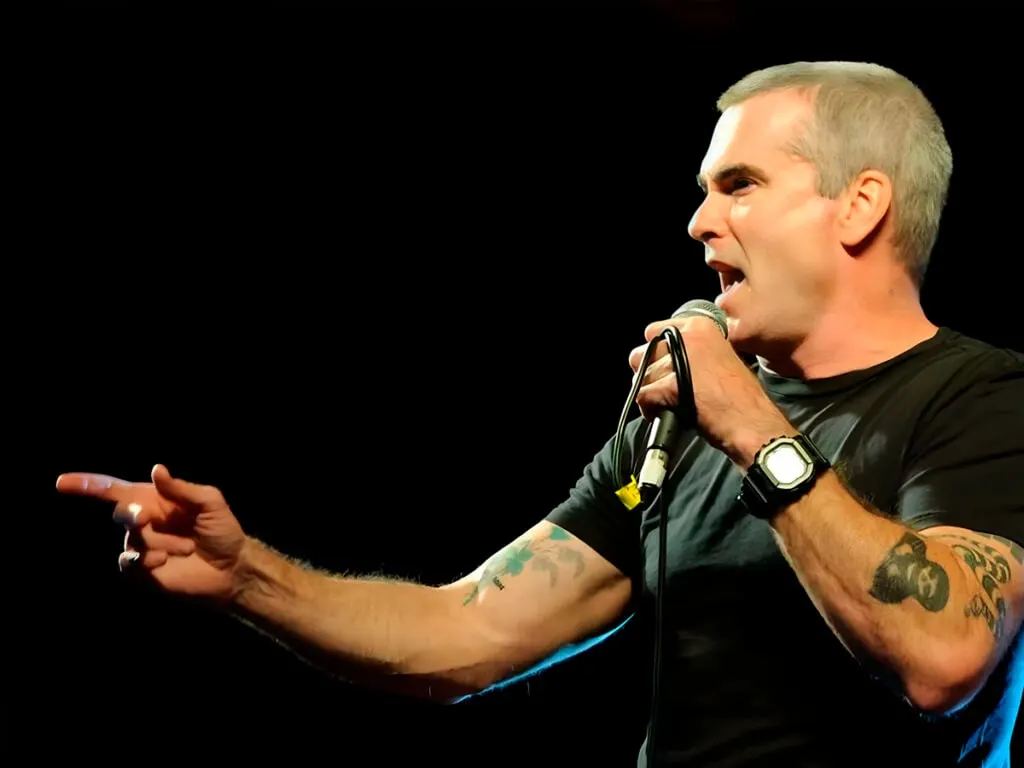
Henry Rollins has long expressed disdain for the Grammy Awards, arguing that ranking art through a competitive awards system is fundamentally misguided. Despite winning a Grammy himself, for Best Spoken Word Album in 1995 for Get in the Van, Rollins has said he sees no value in the trophy itself, framing the idea of declaring one song objectively better than another as absurd given art's inherently subjective nature.
Rollins has noted that the award was even confiscated by security at the ceremony because his casual attire didn't fit the black-tie dress code, and the trophy itself later went missing for years before turning up in his manager's office. He contrasted this with gold and platinum records, which he values more because they can be signed and auctioned for charity. Rollins joins a line of artists sceptical of the Grammys, including Sinéad O'Connor, who boycotted the 1991 ceremony despite winning, Frank Ocean, who withdrew Blonde from consideration, and The Weeknd, who has vowed a permanent boycott after being shut out of nominations.
In short
- Henry Rollins says art shouldn't be judged competitively via awards like the Grammys
- He won a Grammy in 1995 but dismisses its value compared with gold/platinum records
- Sinéad O'Connor, Frank Ocean and The Weeknd have similarly snubbed the Grammys
Steelman: both sides, in good faith
The strongest fair case each way — we don't pick a winner.
The case for
Supporters of the Grammy Awards argue that such recognition systems serve a vital cultural function, helping audiences navigate the vast landscape of music and celebrating genuine artistic achievement through peer recognition. Rather than diminishing art's intrinsic value, these awards create shared cultural touchstones and incentivise excellence whilst bringing deserved attention to artists across diverse genres who might otherwise remain overlooked. Even acknowledging that subjective elements enter any judging process, the transparent, democratised structure of major awards allows for reasoned consensus-building around artistic quality that reflects genuine values held across the industry and listening public.
The case against
Critics of the Grammy Awards maintain that art's inherently subjective nature makes competitive ranking systems philosophically incoherent and potentially corrosive to creative integrity. Awards function as arbitrary hierarchies often shaped more by commercial pressures, political considerations, and industry gatekeeping than by authentic artistic merit, whilst the trophies themselves become hollow symbols that commodify and trivialise the work itself. Rather than enhancing art's value, such systems risk misdirecting artists' focus from intrinsic creative fulfilment towards external validation, contradicting the very spirit of genuine artistic expression.
Explained simply
Henry Rollins is a musician, spoken-word artist and former Black Flag frontman known for his outspoken views. He actually won a Grammy in 1995, for Best Spoken Word Album, but has since become a vocal critic of the awards, questioning whether art can fairly be judged as "better" or "worse" through a competition.
His scepticism is partly rooted in a specific experience: security staff at the ceremony reportedly confiscated his award because he wasn't dressed formally enough, and the trophy itself later went missing for years before resurfacing. He has said he places more value on gold and platinum sales certifications, since these can be signed and sold to raise money for charity.
The Grammys, run by the Recording Academy, are among the most prominent music awards in the US, but they have faced periodic criticism from artists over the years. Rollins is one of several high-profile figures, alongside names like Sinéad O'Connor, Frank Ocean and The Weeknd, who have publicly questioned or distanced themselves from the ceremony, reflecting a broader debate about the role and credibility of awards shows in music.