London rollout of robotaxis delayed amid lack of guidance for firms to follow
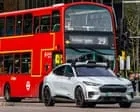
Uber and Wayve's plan to launch self-driving taxi rides in London "later this summer" now looks unlikely to happen this year, as regulatory and technical hurdles delay the timetable the UK government had set out. Transport for London has yet to publish the guidance companies must follow to gain approval, with TfL's director of strategy telling the London assembly there was "no rush" to release it, despite the government having earlier moved up the target start date to spring this year. The delay matters because Uber and Wayve say more than 100,000 Londoners have joined a waiting list, and the firms are competing with Waymo and Baidu's Apollo Go to be first to market in the capital.
TfL has granted 15 private hire licences to Wayve-equipped Ford Mustang Mach-E vehicles, though a licensed driver will remain behind the wheel to intervene if needed, and Uber and Wayve plan small-scale piloted trials soon while working towards a fully driverless service using a new Nissan Leaf still in production. Waymo says it is going through the safety approval process and aiming for a fully autonomous service "by the end of this year", while Baidu only began London testing last month and expects public rides in 2027. Fully driverless operation additionally requires a separate government permit from the Driver and Vehicle Standards Agency, which has yet to approve any vehicles; robotaxis already operate in over 20 cities worldwide, including Zagreb, which became the first in Europe this month.
- London robotaxi launch delayed past 2026 due to missing TfL guidance
- Uber, Wayve, Waymo and Baidu are racing to launch first
- No vehicles yet approved by the DVSA for driverless operation
New here? Start with this
Robotaxis are self-driving vehicles used as taxis. In London, Uber is working with British technology company Wayve, while US firm Waymo and Chinese firm Baidu are also preparing services. The companies need regulatory approval before they can carry passengers without a driver ready to take control.
Transport for London oversees taxi and private hire services in the capital, and the Driver and Vehicle Standards Agency handles a separate permit needed for fully driverless vehicles. The two approvals serve different purposes, and a private hire licence alone does not allow a car to operate without a driver.
Robotaxis already run in some cities around the world, but their arrival in London depends on safety checks, technical readiness and the required approvals. The outcome will affect when Londoners can use the service and which companies enter the market first.
Both sides, in good faith
The strongest fair case each way — we don't pick a winner.
The case for
Companies have successfully deployed fully autonomous vehicles in over 20 cities globally, including Zagreb's recent launch, proving the technology can operate safely under proper oversight. Given over 100,000 Londoners' demonstrated interest and TfL's ability to supervise pilot operations, further delays to guidance publication do not clearly serve safety and unnecessarily inhibit London's competitiveness and economic opportunity when responsible deployment could proceed.
The case against
Comprehensive regulatory frameworks must be properly established before full deployment, not developed concurrently with operations, to protect public safety and ensure London's unique traffic conditions are adequately addressed. TfL's measured approach reflects prudent governance that prevents premature rollout, which risks accidents, undermines public trust, and damages long-term adoption; thorough preparation now prevents costly failures and ensures sustainable deployment that serves Londoners' interests.
Americas Art Business Celebrity Culture Entertainment Government Politics Technology UK World