World news and discussion on TalkFuse.
OLED gaming monitors have finally gotten so good that a Counter-Strike 2 tournament is using one
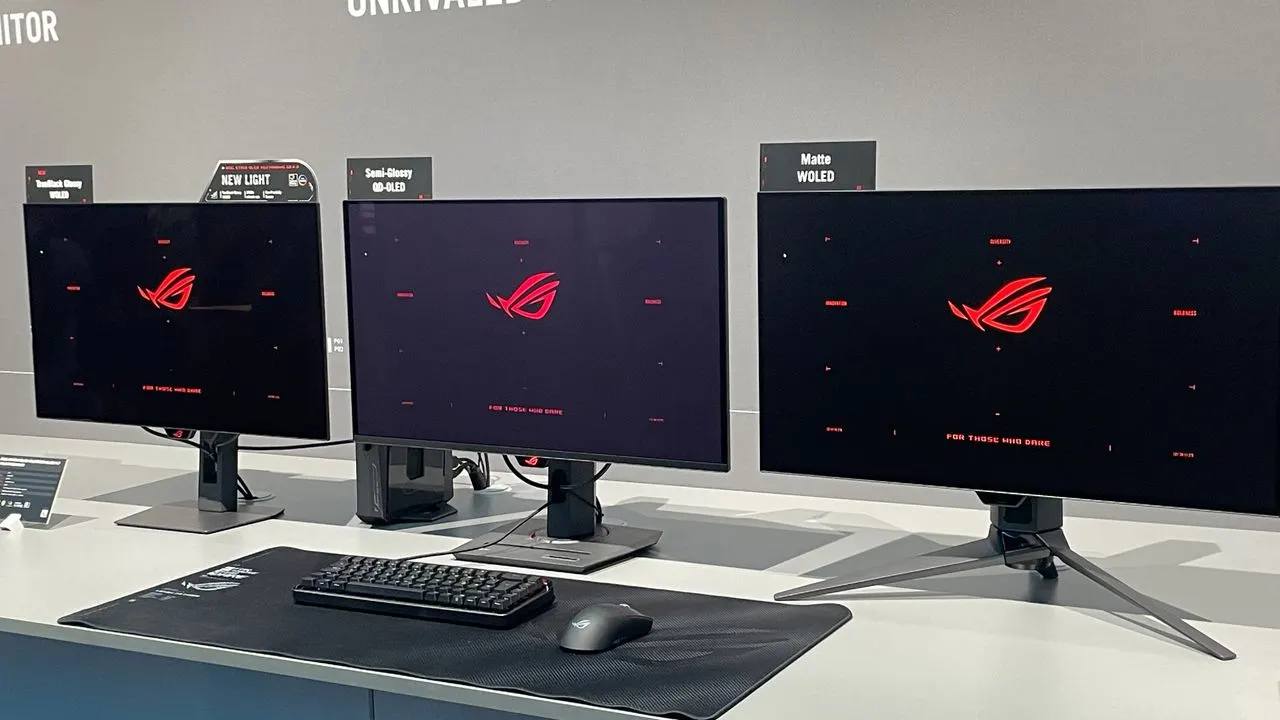
An esports tournament has begun using an OLED gaming monitor for competitive Counter-Strike 2 play, a notable milestone given that OLED panels were long considered unsuitable for esports due to concerns over motion clarity, brightness and burn-in risk compared with traditional fast LCD monitors. This marks a shift in perception, suggesting OLED technology has matured enough in refresh rate, response time and durability to be trusted at the highest competitive level, where split-second visual feedback is critical.
The development reflects broader improvements across the OLED gaming monitor market, where manufacturers have pushed higher refresh rates and better anti-burn-in safeguards while retaining OLED's traditional strengths in contrast, colour accuracy and pixel response time. Its adoption in a live Counter-Strike 2 tournament setting serves as a real-world endorsement of these advances, potentially encouraging wider acceptance of OLED displays among competitive gamers and esports organisers who have historically favoured conventional IPS or TN panels.
In short
- OLED monitor used in a Counter-Strike 2 esports tournament for the first time
- Signals OLED tech has overcome past esports performance concerns
- Could boost wider competitive gaming adoption of OLED displays
Steelman: both sides, in good faith
The strongest fair case each way — we don't pick a winner.
The case for
OLED gaming monitors have demonstrably improved in the technical specifications critical to esports—refresh rates, response times, and burn-in resistance have all advanced considerably. The superior contrast ratio and colour accuracy offer genuine competitive advantages for games like Counter-Strike 2, where visual precision is essential. That a major tournament organiser has chosen to adopt OLED indicates they have assessed the technology as ready and reliable enough for professional play, and embracing technological progress when standards are met strengthens competitive integrity.
The case against
Professional esports tournaments demand absolute equipment reliability, and any display failure during competition could compromise fairness and undermine the event's integrity. OLED technology, despite improvements, remains less battle-tested in the demanding 24/7 environment of competitive tournaments compared with traditional LCD panels, which have decades of proven performance. The inherent burn-in risk, however reduced, cannot be entirely eliminated, and the long-term durability of OLED under constant professional use remains largely unproven in this context.
Explained simply
Counter-Strike 2 is a team-based shooting game in which players compete to complete objectives, and professional matches can turn on quick reactions and clear visuals. Esports organisers have traditionally favoured fast LCD monitors, including IPS and TN types, for competitive play.
OLED screens produce light at each pixel, giving them strong contrast and quick pixel response. They were once viewed as a less suitable choice for esports because of concerns about motion clarity, brightness and image burn-in, where static elements can leave lasting marks.
Monitor makers have raised refresh rates and added safeguards against burn-in. The choice of display matters to players and tournament organisers because it can affect what competitors see during play, while adoption at events may influence wider confidence in the technology.
Discussion