Ban on drags shows in Texas struck down by Reagan judge citing Dolly Parton’s ‘sex symbol’ legacy
Developed over time first seen 2 months ago
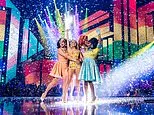
A federal judge in Texas has again struck down a law restricting certain drag performances, ruling that it violated First Amendment free-speech protections. The decision is a setback for Texas Attorney General and Senate candidate Ken Paxton, whose office had defended the measure, and highlights concerns that its wording could criminalise a broad range of artistic expression.
US District Judge David Hittner found that Senate Bill 12’s ban on “sexually oriented” performances on public property or before under-18s was overly broad, citing Dolly Parton’s public image as an example of mainstream entertainment that could be caught by it. The law allowed fines of up to $10,000 for businesses and a Class A misdemeanour, carrying up to a year in prison, for performers; Hittner had first blocked it in 2023 before an appeals court ordered reconsideration.
- Texas drag-performance restrictions ruled unconstitutional again
- Judge found the law overly broad
- Businesses faced $10,000 fines
New here? Start with this
Texas Senate Bill 12 was passed in 2023 as part of a wider US debate over rules for performances that children can attend. It sought to restrict certain sexually oriented performances on public property or where minors could be present, with penalties for businesses and performers.
Drag performances usually involve entertainers using costumes, make-up and stage personas associated with a different gender, though they vary widely in style and content. Supporters of restrictions have raised concerns about material they consider unsuitable for children, while opponents argue that the measures can limit artistic expression and unfairly single out drag artists.
The case centres on the First Amendment to the US constitution, which protects freedom of speech and expression. Courts must decide whether a law is written narrowly enough to address the conduct it targets without also applying to lawful mainstream entertainment.
Both sides, in good faith
The strongest fair case each way — we don't pick a winner.
The case for
Supporters of the restriction argue that the state has a legitimate, longstanding duty to shield children from performances it reasonably considers sexually explicit, particularly in public settings and commercial venues where parents may not expect adult material. They contend that the law was aimed at conduct, not identity or artistic expression, and that communities should retain scope to set age-appropriate standards while leaving adult-only performances available to consenting audiences.
The case against
Opponents argue that the law’s vague and expansive definitions threaten protected expression far beyond explicitly sexual material, enabling inconsistent enforcement against drag artists and mainstream performers alike. They maintain that protecting children cannot justify broad speech restrictions backed by fines and criminal penalties, especially where parents and venues can make age-appropriate choices without the state suppressing lawful performance.
Full account
A federal judge in Texas has again blocked a state law aimed at limiting some drag performances, finding that its restrictions conflicted with constitutional free-speech protections. US District Judge David Hittner ruled against Senate Bill 12, which sought to penalise certain sexually oriented performances held on public property or attended by under-18s. The measure had been supported by Texas attorney general Ken Paxton.
Hittner, who was appointed by President Ronald Reagan, concluded that the law could reach far beyond drag events. His judgment referred to the public image of Dolly Parton, including criticism she faced over her deliberately glamorous appearance and sexualised persona. The judge’s point was that many mainstream performances contain suggestive or erotic elements and might therefore risk civil or criminal consequences under the statute’s wording.
The legislation allowed penalties of up to $10,000 for venues found to have hosted prohibited performances. Individual performers could also have faced a Class A misdemeanour, potentially carrying a prison term of up to a year. Hittner had previously found the measure unconstitutional in 2023, but an appeals court later revived the case and instructed him to reconsider it under a particular legal framework.
Among the challengers was the Austin drag performer Brigitte Bandit, who is known for impersonating Parton. Bandit celebrated the decision online and was reported to be planning a Parton tribute performance. The ruling forms part of a wider legal and political dispute over state attempts to regulate drag shows, with Texas among several states that have enacted or proposed comparable restrictions.
Where outlets differ
The two supplied reports are substantively identical, so they do not present a material difference in facts, emphasis or framing.
Both reports foreground Hittner’s Reagan appointment, Paxton’s political position and the Dolly Parton reference, rather than providing extensive detail on the appeals court’s reasoning or arguments from the law’s supporters beyond the penalties involved.
More coverage
- Daily Mail — Texas drag show ban struck down by by Reagan judge citing Dolly Parton's 'sex symbol' legacy
- Consequence — Federal Judge Cites Dolly Parton While Striking Down Texas Drag Ban