Culture news and discussion on TalkFuse.
John Swinney warned over dangers of SNP price cap, with fears it could trigger shortages and damage investment
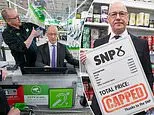
Industry bodies have warned that John Swinney’s proposed Scottish food price cap could have unintended effects, including higher prices for other goods, reduced product availability and weaker investment across the supply chain. The policy matters because it would introduce mandatory ceilings on staple supermarket items, while critics argue it would not tackle the energy, labour, commodity and regulatory costs behind food inflation.
The Scottish Government is expected to decide next week whether to introduce legislation this year covering 20 to 50 products, such as milk, bread, chicken and eggs. Food and Drink Federation Scotland said the cap could put pressure on farmers and manufacturers, encourage retailers to source cheaper imports, and raise concerns under competition law and the UK Internal Market Act; CBI Scotland and Scottish Labour leadership candidate Michael Marra also criticised the proposal.
In short
- Industry groups warn the cap could raise other prices and reduce choice.
- The proposal could cover 20 to 50 staple food items.
- Legal and investment concerns have been raised.
Steelman: both sides, in good faith
The strongest fair case each way — we don't pick a winner.
The case for
A food price cap addresses material hardship faced by vulnerable Scottish households struggling with basic affordability. Supporters would argue the government has a responsibility to ensure essential staples remain accessible, and that immediate relief for those in greatest need justifies the intervention despite theoretical economic concerns. The policy represents a direct response to food poverty rather than waiting for root causes of inflation to resolve.
The case against
Critics contend that price controls typically produce documented unintended consequences: retailers reduce stocking of capped items due to lower margins, manufacturers divert investment elsewhere or source cheaper imports, and consumers face shortages or reduced choice. The intervention addresses symptoms rather than causes—energy costs, labour shortages, commodity prices—and risks legal complications under UK competition and internal market frameworks. Such measures ultimately harm the consumers they intend to help.
Explained simply
John Swinney is Scotland’s First Minister and leads the Scottish National Party (SNP) government. A price cap sets a legal maximum price for selected goods; the proposal would cover everyday foods such as milk, bread, chicken and eggs.
Food prices are affected by costs across the supply chain, including farming, processing, transport, energy and wages. The debate matters because a cap could limit what shops charge for some staples, while raising questions about how producers and retailers would respond and whether the policy could be put into law.