Flock shock rocks cop cam vendor as protests mount
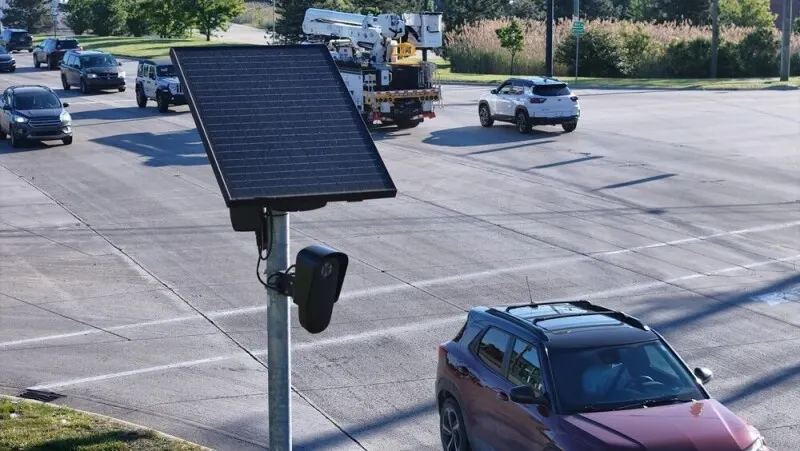
Public opposition to Flock Safety’s automated number-plate recognition cameras is growing across the United States, prompting some local authorities to cancel or decline to renew contracts. The issue matters because the systems can track vehicles, locations and potentially people without a warrant, raising concerns about privacy, police misuse and routine mass surveillance.
The Institute for Justice says 93 local governments had terminated such contracts as of Wednesday, while challenging the technology in court and documenting alleged abuses including stalking and wrongful stops. Senator Josh Hawley has also opened an investigation into Flock’s data collection, retention and sharing practices, following a Supreme Court ruling requiring warrants for police to obtain location data.
- US councils are increasingly dropping Flock surveillance-camera contracts.
- Privacy advocates cite 93 cancelled automated plate-reader contracts.
- A senator is investigating Flock’s handling of camera data.
New here? Start with this
Flock Safety sells automated cameras that read vehicle number plates and record when and where cars pass. Police and other local authorities can use the records to look for vehicles linked to an investigation, but the data can also reveal patterns of movement over time.
The debate centres on how much information these systems collect, how long it is kept and who can access or share it. Critics point to privacy risks and reports of misuse, while contract decisions and legal challenges are testing how the technology should be governed.
Both sides, in good faith
The strongest fair case each way — we don't pick a winner.
The case for
Police departments and public safety officials contend that Flock Safety cameras are valuable tools for solving crimes, locating stolen vehicles, finding missing persons, and identifying dangerous suspects—enabling more effective law enforcement with limited resources. They argue that with appropriate legal safeguards, judicial oversight, and departmental policies restricting access and use, the technology can be deployed responsibly to enhance public safety whilst maintaining privacy protections.
The case against
Privacy advocates and civil liberties organisations argue that the cameras enable routine mass surveillance of ordinary citizens' movements without warrants or individualized suspicion, violating constitutional protections to privacy and freedom of movement. They point to documented cases of misuse including stalking and wrongful stops, and contend that inadequate accountability mechanisms mean the risks of unchecked state tracking powers and potential abuse outweigh public safety benefits.