Girl Scouts denies teaching religion amid scrutiny of Muslim faith awards, mosque visits
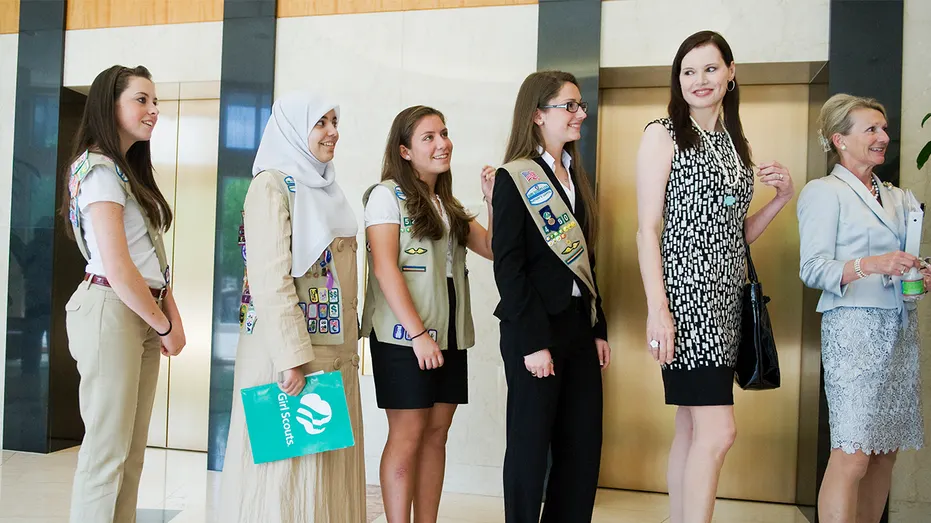
Girl Scouts of the USA has rejected claims that it teaches Islam or promotes any religion through its national programme, after reports highlighted mosque-based troops offering Islamic activities such as prayer, Quran study, Ramadan observances and hijab lessons. The organisation said it is non-religious, welcomes girls of all faiths and backgrounds, and treats religious activities as optional programmes run independently by faith organisations.
GSUSA permits faith groups to create and administer religious-recognition curricula whose insignia may be worn on uniforms; its website lists four Islamic recognitions alongside programmes from many other religious traditions. Critics, including a Moms for Liberty representative, argued that faith-specific badges could exclude girls of different beliefs, while the cited examples involved local troops, councils and external organisations in California, Illinois, New York and Virginia rather than a compulsory national curriculum.
- Girl Scouts says it does not teach religion nationally.
- Faith-based badges are optional and independently administered.
- Critics question whether religious badges can exclude some girls.
New here? Start with this
Girl Scouts of the USA is a national organisation for girls, with local troops run by volunteers and community groups. It says its programme is non-religious and open to girls of all faiths and backgrounds.
The organisation allows religious groups to offer optional awards, with badges that can be worn on uniforms. Some Muslim organisations and mosque-based troops run activities linked to Islam, while similar recognition programmes exist for other faiths.
The issue is whether these local, optional activities are distinct from the national programme and how faith-specific badges fit with an organisation open to girls of different beliefs. Critics say such awards may leave some girls feeling excluded; the organisation says religious activities are not compulsory.
Both sides, in good faith
The strongest fair case each way — we don't pick a winner.
The case for
Allowing faith organisations to offer optional recognitions can respect families’ freedom to pass on their beliefs and make Girl Scouts welcoming to girls whose religious life is important to them. GSUSA says these activities are run independently, are not part of its national curriculum, and sit alongside recognitions from many traditions, so their availability need not amount to the organisation promoting a religion.
The case against
Faith-specific badges and mosque-based activities under the Girl Scouts name may make some families worry that religious teaching is being folded into a youth programme they understood to be non-religious. Even when participation is optional and locally organised, critics can reasonably question whether the distinction is clear to parents and whether girls of other beliefs feel equally included.