Italy is fighting an invasive species of crab – with tens of thousands of octopuses
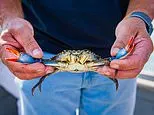
Italy has released 130,000 baby common octopuses off parts of the Adriatic coast to help control invasive blue crabs. The crabs, which lack sufficient natural predators, have damaged fishing equipment and shellfish stocks, creating serious pressure for fishermen and aquaculture businesses.
The Octo-Blu project is focused initially on Riccione and Cesenatico in Emilia-Romagna, with possible expansion across the Mediterranean. Scientists expect mature octopuses could eat up to four crabs daily; blue crabs have reportedly caused about £170 million in damage and cut clam production by 70% in some areas, while authorities are also encouraging people to eat them.
In short
- Italy releases 130,000 octopuses against invasive blue crabs.
- Blue crabs have severely harmed fisheries and clam production.
- Authorities also want Italians to eat more blue crab.
Steelman: both sides, in good faith
The strongest fair case each way — we don't pick a winner.
The case for
The blue crabs represent a genuine ecological and economic crisis, having caused £170 million in damage and devastated local clam production by up to 70 per cent in some areas, directly threatening fishermen's and aquaculture businesses' survival. Octopuses are natural predators of these crabs with an established ecological relationship, making this a biologically grounded solution that harnesses nature's own mechanisms rather than relying solely on industrial interventions. Given the severity of the problem and evidence that conventional methods have proven insufficient, this measured, science-backed approach offers a pragmatic path to restoring ecological balance whilst protecting vulnerable livelihoods.
The case against
Releasing 130,000 octopuses into open waters creates irreversible ecological risks that cannot be contained if unintended consequences emerge—the outcomes of such large-scale releases remain unpredictable and potentially destabilising to marine ecosystems. Octopuses are intelligent creatures whose welfare is compromised by mass farming and deployment as mere tools for pest control, and their indiscriminate diet could harm native species beyond the target crabs, altering predator-prey dynamics in unforeseen ways. More cautious, reversible alternatives such as mechanical harvesting, physical barriers, or targeted culling deserve serious consideration before committing to a permanent biological intervention.
Explained simply
The blue crab is native to the western Atlantic but has become established in the Mediterranean, including along Italy’s Adriatic coast. With few predators there, its numbers have grown, and it feeds on shellfish such as clams.
The spread has affected fishermen and shellfish farms by damaging catches and equipment. The Octo-Blu project, centred on Riccione and Cesenatico in Emilia-Romagna, is testing whether common octopuses can help limit crab numbers; the project may later expand elsewhere in the Mediterranean.
Octopuses are natural predators of crabs, so researchers hope they will add to efforts to manage the invasive population. The issue matters to coastal livelihoods and shellfish production, while authorities are also encouraging people to eat blue crabs.