Hawley rips Flock’s sprawling surveillance web as Texas cities cut cameras over privacy and data fears
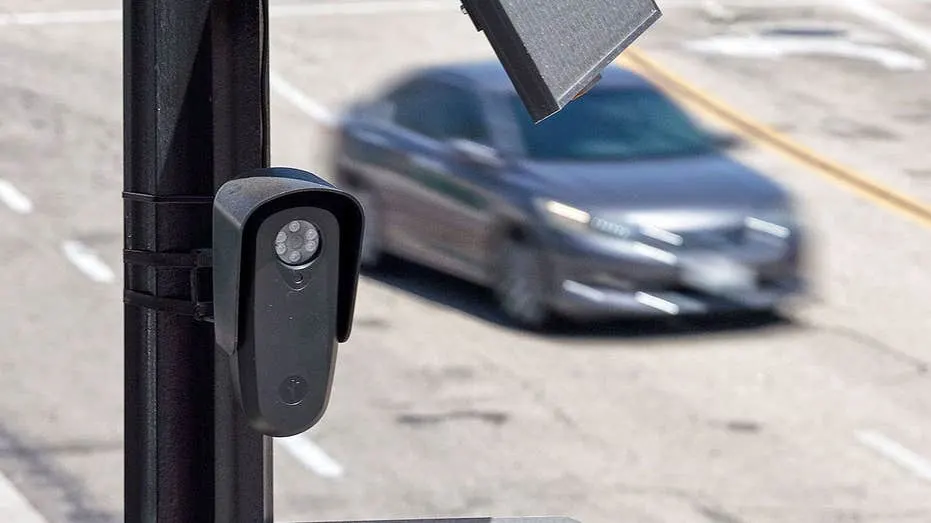
Senator Josh Hawley has opened an investigation into Flock Safety, alleging that its expanding AI camera network may amount to a searchable national record of Americans’ movements. The dispute matters because it centres on whether police and other users can retrospectively track people without judicial approval, balancing crime prevention against privacy and constitutional protections.
Flock says it operates more than 120,000 cameras across 49 states and processes over 20 billion vehicle scans each month, recording information such as number plates, vehicle descriptions, locations and times. The company sells its systems to police, businesses and homeowners’ associations, while some Texas cities have removed cameras over privacy and data concerns. A Flock spokesperson said it would respond to Hawley and explain its safeguards and role in solving crime and locating missing people; privacy advocates argue warrants should generally be required except in emergencies.
- Hawley is investigating Flock’s nationwide AI camera network.
- Critics fear warrantless tracking of people’s historical movements.
- Flock says its technology supports crime-solving and missing-person cases.
New here? Start with this
Flock Safety is a US company that sells cameras to police, businesses and homeowners’ associations. Its cameras scan passing vehicles and record details such as number plates, descriptions, locations and times, creating a large database that authorised users can search.
The debate is about how those records may be used, including whether police can look back across locations to trace someone’s movements without first getting a warrant from a judge. Supporters point to uses such as investigating crime and finding missing people; privacy advocates raise concerns about tracking and constitutional protections.
Senator Josh Hawley is a Republican member of the US Senate, which investigates issues through hearings and requests for information. Some Texas cities have removed Flock cameras amid concerns about privacy and data, bringing local decisions into a wider debate over public safety and personal privacy.
Both sides, in good faith
The strongest fair case each way — we don't pick a winner.
The case for
A broad camera network can help police solve crimes, find missing people and identify vehicles linked to serious incidents, including when local leads have run out. Supporters argue that limited retention, access controls and audits can reduce misuse, while requiring a warrant for every retrospective search could delay investigations and make the system less useful.
The case against
A network that records billions of vehicle sightings can make it possible to reconstruct people’s movements without their knowledge, raising serious privacy and constitutional concerns even if the data are gathered in public. Critics argue that access should generally require judicial approval, with narrow emergency exceptions, and that cities should be cautious where safeguards, oversight and limits on data sharing are not strong enough.