NYC business owners revolt over Mamdani’s government-run grocery stores: ‘Doomed for disaster’
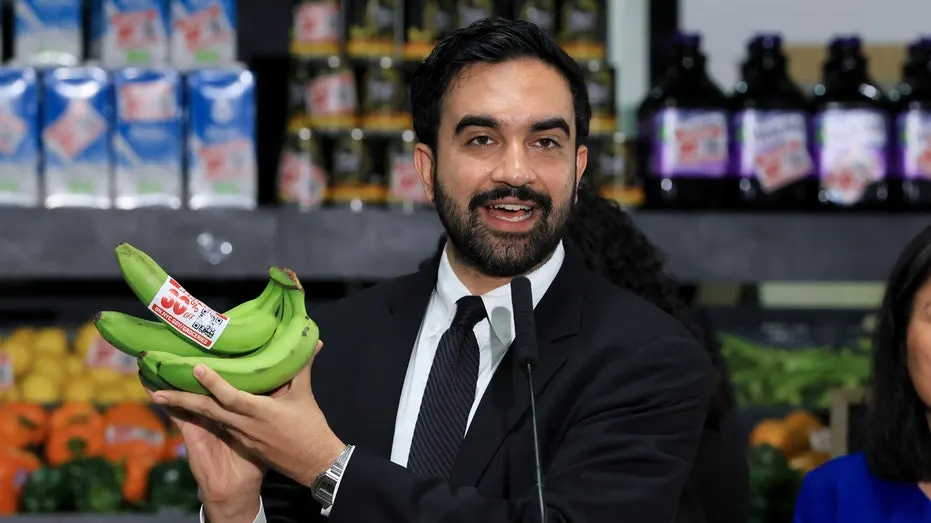
New York City business leaders and bodega owners have protested Mayor Zohran Mamdani’s plan for five city-run grocery stores, saying subsidised prices could undermine nearby independent shops. A coalition representing 50 multicultural business chambers has filed two state-court lawsuits, arguing that the scheme is unfair and should not proceed without further analysis.
The first confirmed Manhattan location is planned for La Marqueta in Harlem, opposite an existing mini-market, with the rollout expected to begin in late 2027. The city would own the sites and cover costs such as rent and construction, while private operators would run the stores and sell selected staples at prices 30% below average retail levels. Coalition leaders say small retailers cannot match those prices while paying normal operating costs; the administration says its groceries task force will involve agencies, experts and local businesses in implementation.
- Business groups are challenging New York’s proposed city-run supermarkets.
- Five stores would sell selected essentials 30% below average retail prices.
- Opponents say subsidies could harm nearby independent retailers.
New here? Start with this
New York City’s plan involves five grocery shops owned by the city, with private operators running them. The city says they would offer selected everyday foods at prices below typical retail levels, and expects the first shop to open at La Marqueta in Harlem in late 2027.
The dispute centres on how those lower prices would affect nearby independent shops, including bodegas, small neighbourhood food stores common in New York. Business groups say local retailers may struggle to compete while covering their usual costs; the city says local businesses and other experts will be involved in planning.
The issue matters because it raises questions about the city’s role in providing affordable food and the effect of public support on private businesses. A coalition of business chambers has taken the plan to state court, arguing that it should not go ahead without further analysis.
Both sides, in good faith
The strongest fair case each way — we don't pick a winner.
The case for
Supporters of the government-run stores argue that food access is a public health imperative, not a market competition issue. When neighbourhoods lack affordable staples, the government has a responsibility to intervene—much as it does with water, libraries, or transport. Subsidised prices directly serve low-income residents and families struggling with food costs, whilst private operators still manage day-to-day operations, avoiding unwieldy bureaucracy. The existing market has demonstrably failed to serve these communities adequately; targeted intervention addresses a genuine gap.
The case against
Business leaders contend that subsidised government competition fundamentally undermines independent retailers who cannot match artificial prices whilst meeting their own costs. Small multicultural businesses have built decades of community trust and provide employment and neighbourhood services that large operations cannot replicate. Rather than destabilising existing shops, the city should support food access through targeted customer subsidies or investment in independent retailers. This approach respects the market ecosystem already serving these communities and avoids government overreach that risks closures and lasting community harm.