Qantas may hike fares and expand Jetstar add-on fees as profits dip to four-year low
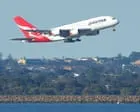
Qantas has reported its lowest pre-tax underlying profit in four years, blaming higher fuel costs associated with the Iran conflict, and says it may raise fares further while demand remains strong. The airline also plans to increase ancillary charges at Jetstar, signalling that passengers could face more fees beyond the advertised ticket price.
Underlying pre-tax profit fell to A$2.06bn in the year to 30 June, despite Qantas revenue rising 7% to A$25.5bn and Jetstar generating more than A$1bn from non-seat fees. Jetstar’s median fare was about A$150, up from nearly A$100 in 2022, and it intends to introduce further add-ons after its new overhead carry-on luggage charge. Qantas will retire older A380 aircraft from 2028, four years earlier than planned, and may buy up to 20 additional aircraft from 2030.
- Qantas profits fell as fuel costs rose.
- Further Qantas fare increases remain possible.
- Jetstar plans more charges beyond base fares.
New here? Start with this
Qantas is Australia’s main airline group. It runs the full-service Qantas airline and Jetstar, its lower-cost carrier. Jetstar tickets typically cover the seat, while extras such as baggage or seat selection can cost more.
Airlines’ profits can change with fuel prices, which are affected by events around the world, as well as by how many people want to fly. Qantas reports an underlying profit figure to show its results from regular operations, separate from some one-off items.
The group competes with other airlines for passengers and must decide how to balance ticket prices, extra charges and the cost of maintaining or replacing aircraft. These choices affect what travellers pay and how the airlines serve routes in Australia and overseas.
Both sides, in good faith
The strongest fair case each way — we don't pick a winner.
The case for
Airlines operate within volatile global markets where fuel costs—determined by geopolitical factors beyond their control—can fundamentally alter operating economics. Qantas has grown revenue substantially to A$25.5bn whilst maintaining investment in fleet modernisation and environmental improvements, yet profits remain pressured by external costs. Rising fares and ancillary fees reflect market realities: passengers continue to choose these flights at current prices, demonstrating that demand remains robust and pricing sustainable. These increases are necessary to preserve service quality, maintain shareholder confidence, and continue investing in long-term infrastructure improvements.
The case against
Qantas operates as Australia's dominant airline with limited regional competition, giving it substantial pricing power that extends beyond what raw cost pressures require. Despite a 7% revenue increase to A$25.5bn and a still-healthy A$2.06bn profit, the airline is raising fares and aggressively expanding hidden fees—particularly at budget subsidiary Jetstar, which already extracts over A$1bn annually from add-ons. Citing fuel costs whilst explicitly signalling that strong demand justifies further increases suggests the airline is leveraging external pressures to extract maximum consumer surplus rather than merely covering legitimate cost increases. This approach, whilst commercially rational, shifts pricing opacity and burden disproportionately onto budget-conscious and captive passengers with limited alternatives.