Entertainment news and discussion on TalkFuse.
The “scary” 1993 song that gave The Pogues life after Shane MacGowan
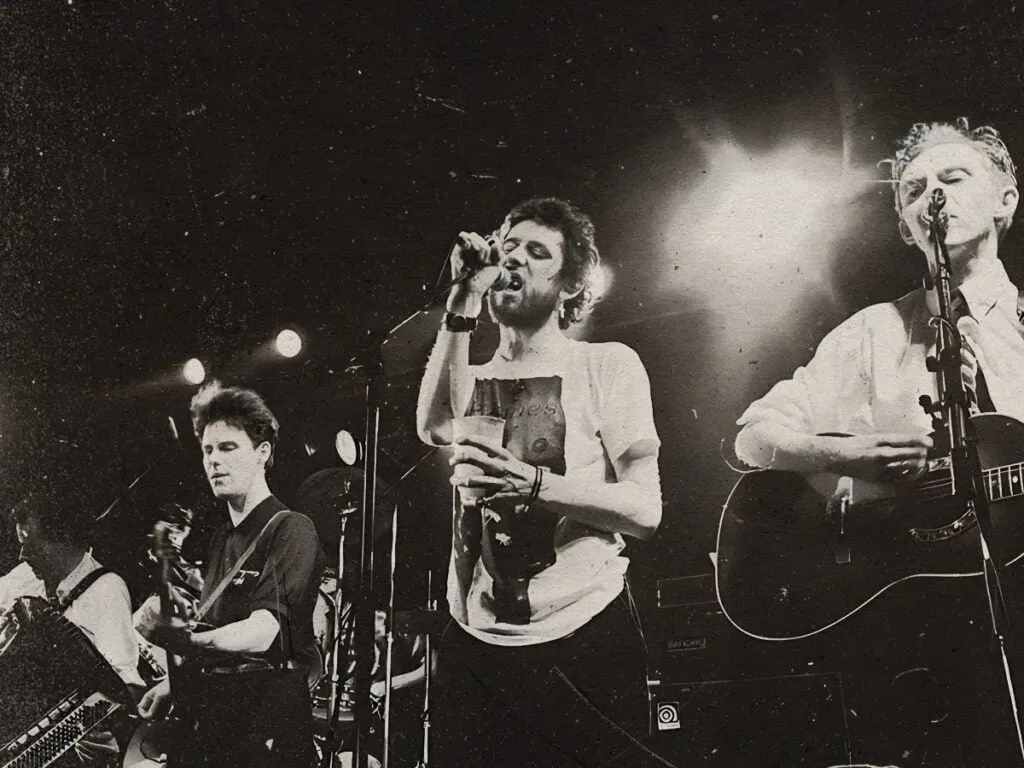
The article examines how The Pogues adapted after dismissing frontman Shane MacGowan in 1991 because his alcoholism and drug addiction had made working with him increasingly difficult. It argues that James Fearnley’s 1993 song ‘The Drunken Boat’ helped articulate the band’s uncertain new identity, using a hazardous tanker without a port as a metaphor for carrying on without its defining singer.
Released on the album *Waiting For Herb*, the song was inspired by Arthur Rimbaud’s 1871 poem ‘Le Bateau Ivre’, about a crewless ship travelling through dangerous, surreal waters. Fearnley said it was “scary” to continue without MacGowan and described the song as reflecting his experiences in the band; The Pogues initially used guest singers including Joe Strummer before sharing vocal and songwriting responsibilities themselves.
In short
- ‘The Drunken Boat’ reflected The Pogues’ life after Shane MacGowan.
- James Fearnley used a toxic tanker as the central metaphor.
- The song appeared on 1993’s *Waiting For Herb*.
Explained simply
The Pogues are an Irish-British band known for combining traditional Irish music with punk. Shane MacGowan was their singer and a central songwriter, but the band dismissed him in 1991 after his addiction made it increasingly difficult to work together.
The group continued with other musicians taking on more singing and songwriting, including guest vocalists such as Joe Strummer. James Fearnley’s “The Drunken Boat”, released on the 1993 album Waiting For Herb, drew on a poem by Arthur Rimbaud about a crewless ship at sea. Its image of a vessel navigating without a crew reflected the challenge of the band finding its way without MacGowan.