Science news and discussion on TalkFuse.
Gender equity, DEI, climate action: How the Smithsonian’s woke push ‘infiltrated’ America’s most beloved Zoo
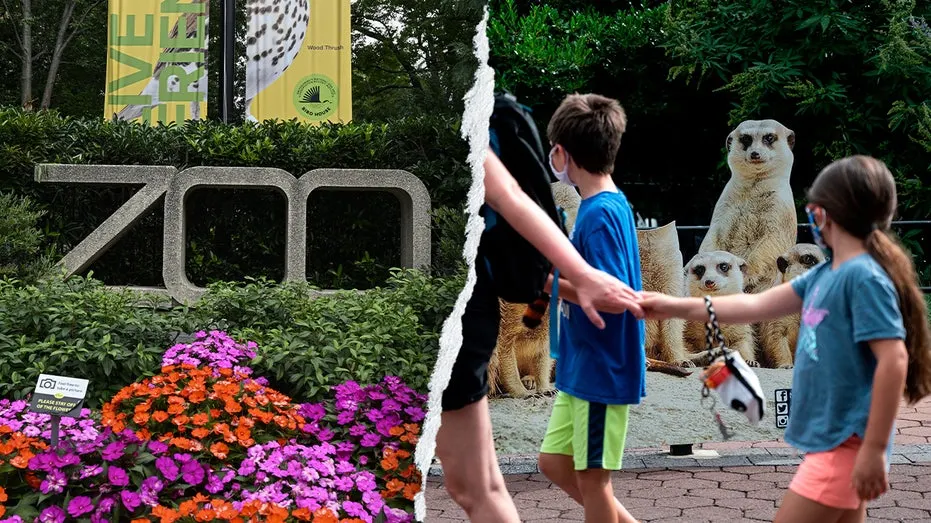
Fox News Digital reports that the Smithsonian’s National Zoo and Conservation Biology Institute has incorporated diversity, equity and inclusion (DEI), LGBTQ outreach and climate-change themes into its programmes and public materials. The article places this in the context of the Trump administration’s wider effort to remove what it considers political or “woke” messaging from Smithsonian institutions and the federal government.
The Zoo, which receives about two million visitors a year and runs conservation work in more than 40 countries, has published material linking gender equity, health and education with climate action. A 2023 Smithsonian report cited diversity-focused internships, LGBTQ family events and inclusive-language work, while a 2021 initiative sought to improve racial and ethnic minority representation in zoo and aquarium careers. Critics quoted by Fox argued that conservation should remain science-led and avoid divisive political messaging.
In short
- Fox highlights DEI and climate programmes at the Smithsonian’s National Zoo.
- The report connects them to Trump administration opposition to such initiatives.
- Zoo programmes include internships, LGBTQ outreach and workforce diversity efforts.
Steelman: both sides, in good faith
The strongest fair case each way — we don't pick a winner.
The case for
The Zoo's initiatives reflect evidence that representation and inclusivity strengthen conservation efforts, particularly given that the institution operates across more than 40 countries where environmental challenges are inseparable from social factors. Expanding career pathways for underrepresented groups in STEM addresses documented barriers, whilst inclusive programming reflects the diversity of the visiting public and builds broader coalitions essential to advancing conservation. Climate literacy and gender equity are not tangential to the Zoo's core mission—they are integral to understanding and addressing biodiversity loss in the modern world.
The case against
A zoological institution's primary responsibility is rigorous, science-based conservation and education about wildlife, which risks becoming diluted by broader social messaging and political positioning. Federal institutions should maintain institutional focus and neutrality rather than pursuing agendas that extend beyond their expertise and mandate, particularly when such initiatives may alienate some visitors and donors in a polarised society. Resources devoted to social initiatives might be better directed toward core conservation science and wildlife education, where the Zoo's genuine authority and unique value lie.
Explained simply
The National Zoo in Washington is part of the Smithsonian Institution, a group of museums and research organisations supported by the US government and private donations. It combines public exhibits with scientific research and wildlife conservation work in the United States and overseas.
Diversity, equity and inclusion (DEI) programmes aim to widen participation and address barriers faced by particular groups. At the Zoo, reported examples include career initiatives and events for LGBTQ families, alongside materials connecting social issues with climate and conservation. The debate reflects wider disagreement in the US over whether publicly supported institutions should include such themes in their education and outreach.