Data centers forgot the consumer — and that could cost America the AI race
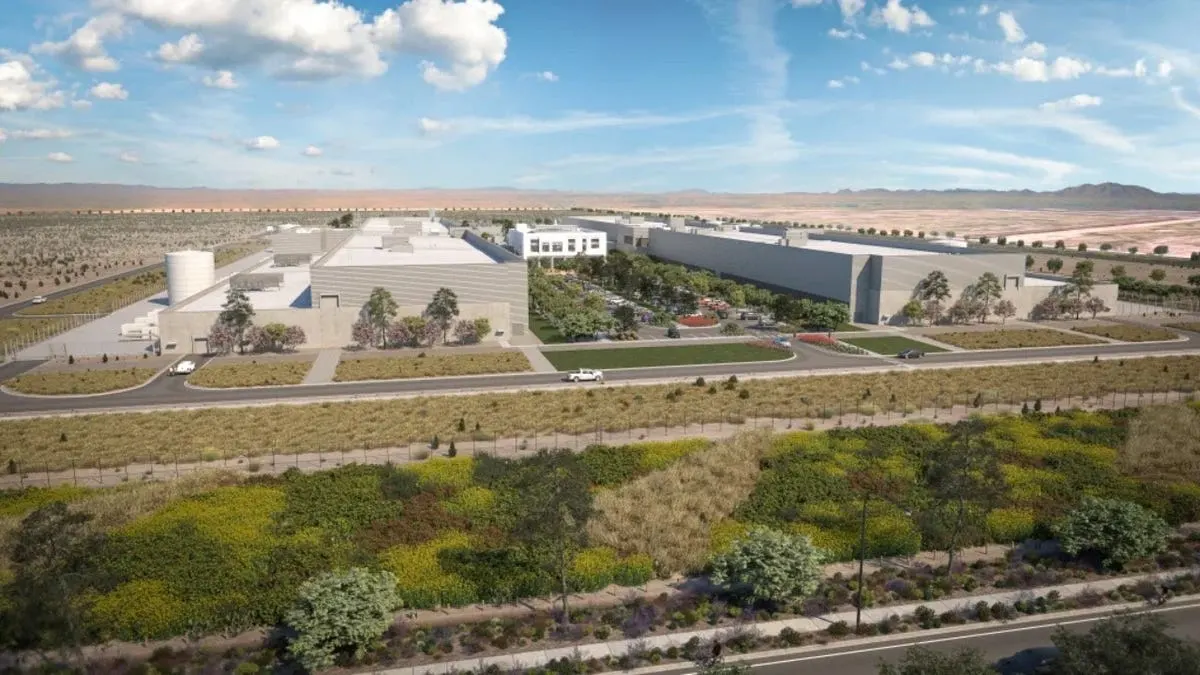
Data centres have become a contentious electoral issue as communities question their growing demands for power, water and land. The article argues that the sector has focused too heavily on investment and America’s AI ambitions, while failing to explain clearly how local residents benefit or how household costs and disruption will be controlled.
It cites polling suggesting fewer than 30% of Americans support a local data-centre development, alongside policy responses in Texas, Georgia and Pennsylvania. The author says modern facilities can reduce water use and noise, strengthen power supplies and generate local tax revenue, pointing to examples in Virginia and Washington where data-centre income has funded public services and infrastructure.
- Public concerns threaten data-centre expansion and AI ambitions.
- Residents want safeguards on bills, water and noise.
- Support may grow where communities share tangible benefits.
New here? Start with this
Data centres are large buildings that store and process information for online services and artificial intelligence (AI). They need substantial electricity and, in some cases, water for cooling, and can take up significant land.
Technology firms and data-centre operators build these facilities, while local residents and councils weigh possible jobs and tax income against effects on household bills, water supplies, noise and land use. Governments in states such as Texas, Georgia and Pennsylvania are also considering how to respond to community concerns.
The issue matters because data centres support the computing power used to develop and run AI, a field in which the United States is competing with other countries. How communities share in the benefits, and how costs and disruption are managed, can affect whether new facilities are built.
Both sides, in good faith
The strongest fair case each way — we don't pick a winner.
The case for
Proponents argue that modern data centres are critical to American AI leadership and technological competitiveness, bring meaningful economic benefits including tax revenue and employment to communities, and employ substantially improved technologies addressing water consumption and environmental concerns. They point to examples like Virginia and Washington where reinvested tax revenue has strengthened local infrastructure and public services, suggesting that proper siting and engagement can create genuine shared benefit.
The case against
Opponents contend that data centre expansion prioritises national corporate interests over local community wellbeing, with significant costs—water consumption in stressed regions, power grid strain, construction disruption—borne by residents whilst economic benefits primarily serve large technology firms. They argue communities have received insufficient explanation of local benefits, inadequate input into decisions affecting their area, and no guarantee that promised advantages will materialise or offset genuine environmental and social costs.