AI slopper in chief: Trump turns to social media amid tough questions
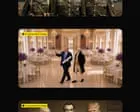
Donald Trump has posted a series of AI-generated images and videos depicting himself with George Washington and other historical military figures, as he faces pressure over the Iran war, low approval ratings and reports about conditions aboard the USS Abraham Lincoln. The article argues that these posts appear intended to reinforce his legacy and present him as a founder-like or wartime leader, while allowing him to communicate directly through Truth Social.
The posts include Trump and Washington in an imagined completed White House ballroom, at a table over a map and riding horses, as well as a video of them inspecting the ballroom. Trump has described the ballroom as a potential legacy project, and also shared an AI image of himself in military uniform alongside Generals George Patton and Douglas MacArthur, wearing more medals than the two are depicted with combined. Media Matters president Angelo Carusone said the imagery suggested Trump was seeking to associate himself with Washington’s stature and build a lasting personal brand.
- Trump shared AI images placing himself alongside George Washington.
- The posts coincide with political and military pressure.
- Critics say they are intended to bolster his historical legacy.
New here? Start with this
Truth Social is Donald Trump’s social media platform, where he can publish messages and images directly to supporters. AI tools can create images and videos showing scenes that never happened, so posts featuring Trump alongside historical figures should be understood as imagined depictions.
George Washington was the first US president and a commander in the American War of Independence. Generals George Patton and Douglas MacArthur were prominent US military leaders in the Second World War and Korean War. The ballroom Trump has discussed building at the White House is a proposed addition to the presidential residence, which has served as the home and workplace of US presidents for more than two centuries.
Both sides, in good faith
The strongest fair case each way — we don't pick a winner.
The case for
Presidents manage crises through advisors and policy teams whilst conducting public communication and morale-building separately. Visual imagery and symbolism are legitimate tools for projecting confidence and inspiring the public during challenging periods. Truth Social enables direct communication with supporters, and historical imagery invoking strength and tradition is standard political practice. Criticism focusing narrowly on this communication misses that effective leadership operates on multiple levels.
The case against
When facing urgent governance challenges—military readiness concerns, regional tensions, and low public approval—a president's communications should centre on substantive engagement with these crises rather than generating AI-generated fantasies about personal legacy. The specific imagery—featuring excessive military decorations and imagined ceremonial spaces—reflects self-aggrandisement rather than serious leadership communication. This pattern suggests a troubling disconnect between the gravity of immediate challenges and presidential priorities, potentially undermining public confidence during a critical period.
AI Americas Geopolitics Government Middle East Politics Technology World