Video games news, releases, esports and culture — all the biggest gaming stories in one place.
35 Years Later, the Best ‘Calvin and Hobbes’ Quote About Touching Grass is Still a Stone Cold Classic
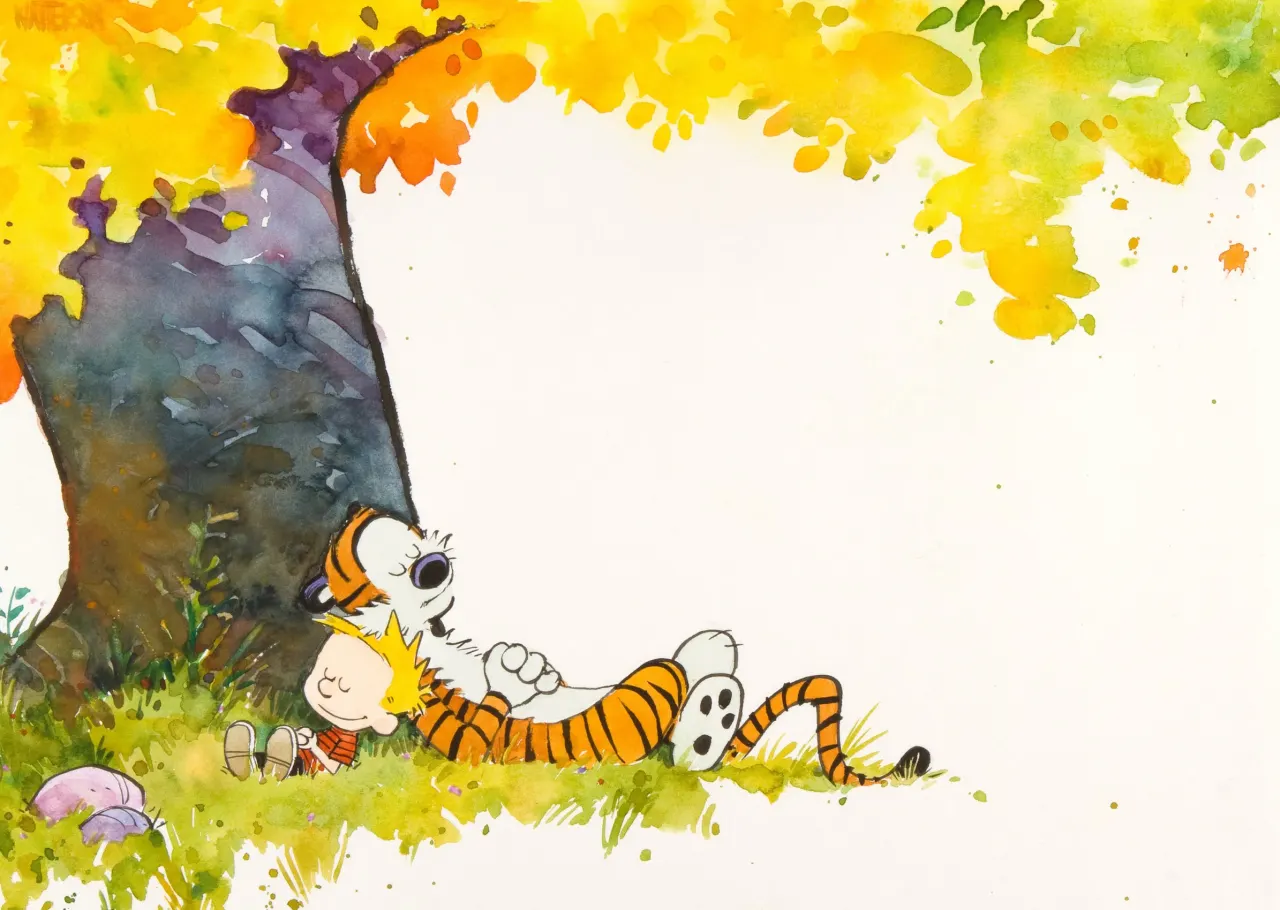
The article argues that Bill Watterson’s Calvin and Hobbes remains unusually thoughtful alongside its humour, using its child protagonist to explore philosophical questions, morality, science and humanity’s place in the universe. It says the strip’s enduring appeal comes partly from its ability to make serious ideas accessible through concise jokes and visual storytelling.
It highlights strips about human nature, cosmic insignificance, ethical self-interest and a comic misunderstanding of relativity. The article particularly emphasises Watterson’s repeated engagement with nature: Calvin’s outdoor adventures, concern about litter and felled trees, and the strip’s wider appreciation of the natural world are presented as central to its lasting relevance.
In short
- Calvin and Hobbes paired comedy with serious philosophical ideas.
- Watterson repeatedly explored nature and environmental concern.
- The article argues its themes remain timeless.
Steelman: both sides, in good faith
The strongest fair case each way — we don't pick a winner.
The case for
Watterson deliberately engaged with substantive philosophical and environmental questions throughout the strip's run, using Calvin's perspective to explore meaningful ideas about human nature, cosmic insignificance, and our responsibilities to nature. These serious themes, woven expertly into accessible humour and visual storytelling, form the bedrock of the strip's enduring cultural significance and its ability to resonate across generations.
The case against
Whilst Calvin and Hobbes certainly has thoughtful moments, its primary enduring appeal lies in Watterson's superb artistic talent, the genuine emotional depth of the Calvin-Hobbes relationship, and its pitch-perfect humour about childhood—not in particularly profound philosophical content. Attributing the strip's significance primarily to philosophical themes risks reading undue intellectual weight into what is fundamentally excellent entertainment, when its real genius lies in character, art, and comedy.
Explained simply
Calvin and Hobbes is a comic strip created by American cartoonist Bill Watterson. It follows Calvin, an imaginative boy, and Hobbes, his toy tiger, who appears alive to Calvin; their adventures mix everyday childhood mischief with ideas about science, ethics and human nature.
The strip often uses jokes and drawings to make big questions easy to approach. Nature is a recurring subject, from Calvin’s outdoor play to the pair’s encounters with litter and trees, giving readers a way to think about people’s relationship with the world around them.