Entertainment news and discussion on TalkFuse.
Everyone knows the headline acts but the real magic of Electric Picnic often happens elsewhere. Here’s an INSIDER’S GUIDE to the must-see acts at this year’s festival, many of whom are off the beaten track…
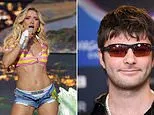
Electric Picnic 2026 is presented as a broad arts and music festival whose appeal extends beyond its headline acts, with 27 stages also hosting comedy, drama and political discussion. The article highlights a mix of established stars and less mainstream performers expected to draw audiences to Stradbally.
– Lewis Capaldi is Friday’s headline act, returning after mental health difficulties following two sold-out Marlay Park shows. – Gorillaz will make their first Electric Picnic appearance, led by Damon Albarn and hits including *Clint Eastwood* and *Feel Good Inc.* – Fontaines D.C. will close the festival on Sunday in their first Irish performance since manager Trevor Dietz’s death. – CMAT is tipped for another major homecoming performance after a well-received St Anne’s Park concert. – Sombr, Zara Larsson and Geese are identified as notable international acts, spanning viral indie pop, electropop and acclaimed rock.
In short
- Electric Picnic expects 80,000 attendees across 27 music stages.
- Lewis Capaldi, Gorillaz and Fontaines D.C. headline.
- CMAT, Sombr, Zara Larsson and Geese are highlighted.
Explained simply
Electric Picnic is a large annual arts and music festival held in Stradbally, County Laois. Alongside its main music stages, it includes comedy, drama and political discussions, so the programme covers more than headline performances.
The line-up brings together established performers and newer or less widely known acts. International artists sit alongside Irish musicians such as CMAT and Fontaines D.C., whose Sunday closing set will be their first Irish performance since their manager, Trevor Dietz, died.
The mix matters because festival-goers can discover performers across 27 stages, including acts outside the most prominent slots. Familiar names may draw large crowds, while smaller stages offer other kinds of music and arts events.