Democrats hand Trump one power they spent years fighting
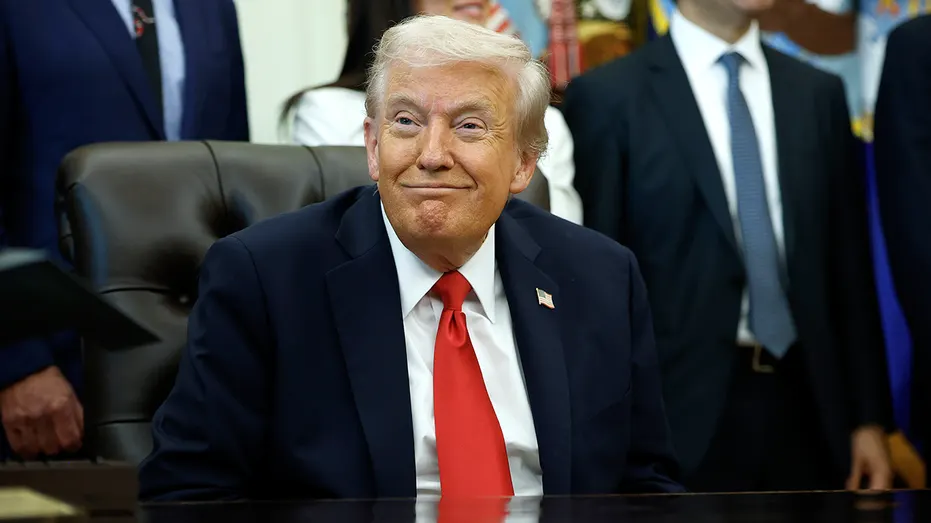
Senate Democrats largely supported a Russia sanctions package that includes limited new tariff powers for President Trump, despite having repeatedly criticised his broader use of tariffs. The vote has drawn renewed attention after Trump imposed 50% tariffs on around $20 billion of Canadian goods, with opponents arguing that tariff authority can raise consumer prices and damage trade relations.
The sanctions measure would permit tariffs of up to 500% on Russian imports and up to 100% on the five largest buyers of Russian energy, including China and India. Only nine Democrats and Republican Senator Rand Paul opposed the package; supporters said its restrictions and possible court oversight would limit misuse, while Senator Raphael Warnock said he sought assurances that the powers would apply only to the specified energy purchasers.
- Democrats backed limited tariff powers within Russia sanctions legislation.
- The authority targets Russia and major buyers of its energy.
- Critics warn tariff powers could be used more broadly.
New here? Start with this
The United States Congress can impose trade penalties, but laws also give the president some power to set tariffs, or taxes on imported goods. Tariffs can make foreign products more expensive for US buyers and can strain relations with trading partners.
Russia’s invasion of Ukraine led the US and other countries to restrict trade with Russia and limit its income from energy exports. China and India remain major buyers of Russian energy, so proposals to pressure those countries have become part of the debate over how to enforce sanctions.
Congress is divided over how much freedom a president should have to use tariffs. The issue matters because broader tariff powers could affect prices, businesses and relations with other countries, while supporters argue they can help enforce sanctions.
Both sides, in good faith
The strongest fair case each way — we don't pick a winner.
The case for
Democrats could reasonably support the measure because it targets Russia’s energy trade and its largest buyers, creating pressure over the war while giving the president a tool to enforce sanctions. Supporters argue that the tariff powers are limited to named countries and imports, and that restrictions and possible court oversight reduce the risk of broader misuse.
The case against
Even narrowly framed tariff authority gives the president a power Democrats have criticised when used more broadly, and future administrations could test the limits of that authority. Opponents can argue that tariffs may raise costs for consumers and strain trade relations, while assurances about how the power will be used may not prevent later expansion or misuse.
Art Culture Elections Europe Geopolitics Government Politics World