Collapsed glacier likely caused devastating Nepal-Tibet floods, scientists say
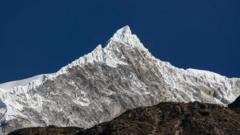
Scientists believe a glacier collapse near Nepal’s Langtang Lirung peak triggered the devastating flash floods on the Nepal-Tibet border, rather than an earthquake as initially reported. At least 469 people have died, and the event underscores growing concern that melting Himalayan ice and unstable mountain terrain are increasing the risk of catastrophic floods.
US Geological Survey data indicated that the collapse struck the valley with enough force to register as magnitude 5.2. ICIMOD said an ice-and-rock avalanche likely entered the Lende Khola river system, causing downstream water levels to rise by seven to nine metres in about 30 minutes and damaging monitoring stations. Experts say steep valleys may have intensified the flood, while tectonic uplift and climate-driven glacier melting may both have contributed to the unusually large collapse.
- Glacier collapse likely caused Nepal-Tibet floods that killed at least 469 people.
- Water levels rose up to nine metres within 30 minutes.
- Scientists link the risk to unstable terrain and warming Himalayan glaciers.