AI Sci-Fi Series ‘Kira’ Heads To MIPCOM For Ex Machina & K5, First Look Images
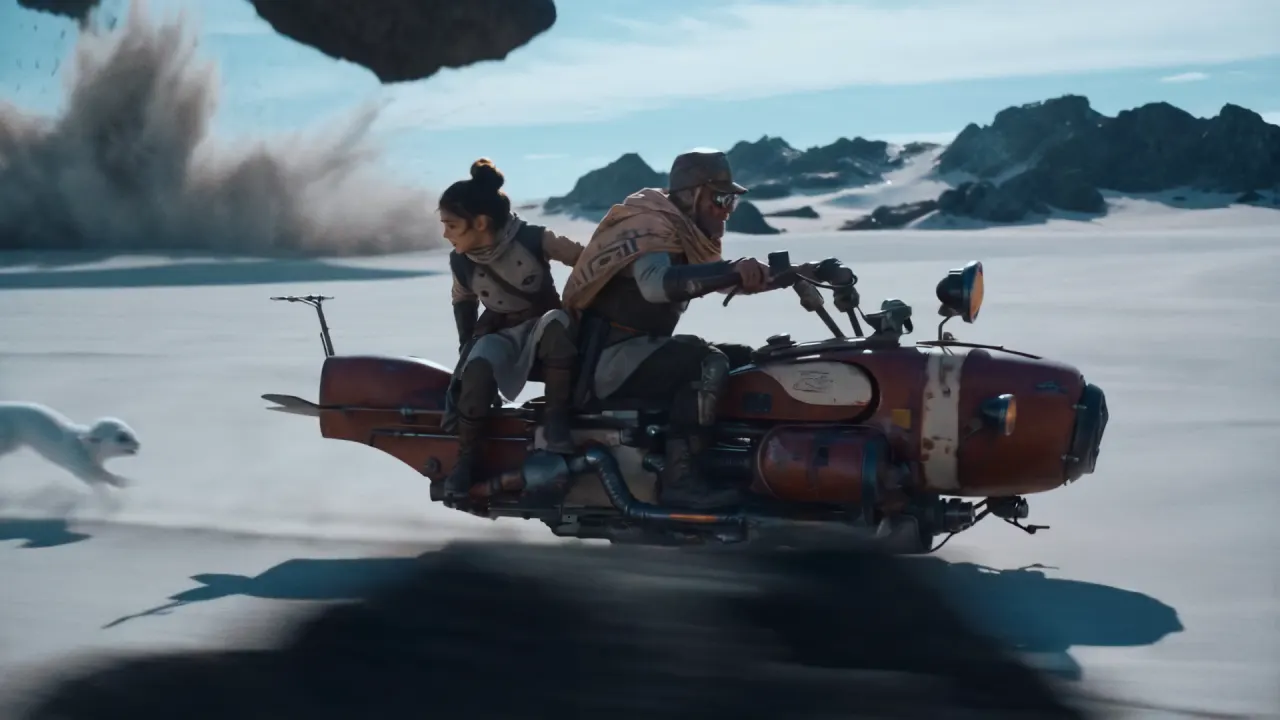
AI-focused producer Ex Machina is launching pre-sales for its fully AI-generated science-fiction series, Kira, at MIPCOM in Cannes this October through sales partner K5 International. The six-part drama is significant as it represents the company’s second television property and another test of AI-generated production in the international television market.
Created, written and directed by French duo Damien Steck and Julien Petit, Kira follows a girl searching for her missing father on the living planet Djena. Production is expected to begin shortly, while completed pilots for Kira and Ex Machina’s earlier series Space Nation will be shown to prospective buyers at MIPCOM; Space Nation is co-produced by Brazil’s Globoplay and Utopai Studios.
- Ex Machina will pre-sell AI-generated series Kira at MIPCOM.
- The six-part sci-fi drama follows a girl seeking her father.
- Completed pilots will be screened for potential international buyers.
New here? Start with this
Artificial intelligence is increasingly being used in film and television to help create images, voices and other parts of production. Some companies are now developing programmes made largely or entirely with AI tools, although the approach remains new and raises practical questions about quality, costs and creative control.
Ex Machina is a producer focused on this type of work, while K5 International is a company that sells television programmes to broadcasters and streaming services in different countries. MIPCOM is a major annual television market in Cannes, where producers present new projects to potential buyers and partners.
Kira is a science-fiction drama set on Djena, a planet portrayed as a living world, and centres on a girl looking for her father. Its progress will be watched as an indication of whether fully AI-generated series can attract international interest and move from pilots to wider production.
Both sides, in good faith
The strongest fair case each way — we don't pick a winner.
The case for
Supporters argue that AI-generated series can widen access to ambitious screen storytelling by reducing production barriers, allowing smaller creative teams to develop visually expansive science fiction that might otherwise be unaffordable. They may see Kira’s presentation to international buyers as a legitimate market test, with human creators still responsible for the story and direction, and believe new production tools can create jobs and formats alongside established methods.
The case against
Critics argue that presenting a fully AI-generated drama as a production breakthrough risks undermining the skilled artists, performers and technical crews whose work has traditionally made such programmes possible. They may also question how training data, authorship, consent and fair compensation have been handled, and worry that commercial adoption could concentrate power with technology owners while reducing opportunities for human creative workers.
AI Americas Art Asia Business Companies Culture Entertainment Technology TV World