Jumping beans: UK shoppers turn to legumes to save cash and improve diet
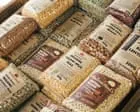
UK shoppers are buying more beans, lentils, tofu and tempeh as they seek cheaper, healthier sources of protein, while purchases of meat and many plant-based meat substitutes decline. The shift matters because it suggests affordability, nutrition and environmental concerns are reshaping supermarket food choices.
Sales of beans, pulses and soya-derived products rose 7.3% in the first half of 2026, while spending on beans increased 10%; canned and jarred butter-bean sales grew 30.3%. Retail meat volumes fell 1.8%, fake-meat pack sales dropped 4.3%, and Lidl reported a 694% increase in plant-based sales since 2020 after introducing products including flavoured tofu.
- Bean and pulse sales rose as shoppers sought value and fibre.
- Meat and many fake-meat products lost sales.
- Retailers and campaigns are promoting greater legume consumption.
New here? Start with this
Beans, lentils and peas are part of a group of foods known as pulses. They are often inexpensive, keep well in cupboards and provide protein, fibre and nutrients, making them a common alternative to meat in meals such as stews, curries and salads. Tofu and tempeh are protein-rich foods made from soya beans, though they are prepared differently.
Meat has traditionally been a main source of protein in many UK diets, while plant-based meat products were developed to resemble foods such as burgers and sausages. Pulses and soya foods are usually less processed and can cost less, particularly when bought dried, tinned or in jars. Supermarkets, food manufacturers and shoppers all influence which of these foods are widely available and affordable.
Food choices matter beyond household budgets because agriculture affects land use, greenhouse-gas emissions and public health. Diets with more pulses and less red or processed meat are often discussed in relation to nutrition and environmental goals, although the effects vary according to how food is produced, transported and prepared.