“Somebody will make the Half-Life 2 of AI” – after the Rideshare controversy, Saber CCO says something will come along and “change people’s minds” about gen-AI
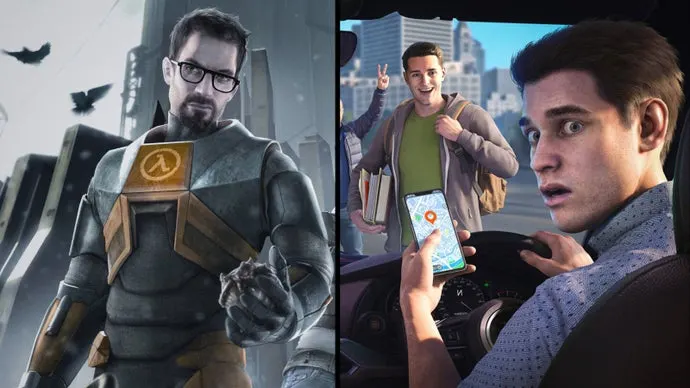
Saber Interactive’s chief creative officer, Tim Willits, says the company is cautiously experimenting with generative AI through its small taxi-management game Rideshare Stimulator, rather than using it across its wider slate. His comments follow a public dispute over the game’s AI use, and matter because Saber is developing several major franchises whose future production choices could be affected by the technology.
Willits said Rideshare is intended as a limited test, with AI used for some voices, localisation, in-game radio music, and optional Free Ride missions and dialogue. Saber CEO Matthew Karch has apologised for his handling of the controversy and added Steam disclosure labels, but maintains that studios must explore emerging tools; Willits argued that another developer may eventually produce an AI-driven breakthrough capable of changing public opinion.
- Saber says Rideshare is its limited generative-AI experiment.
- AI use prompted backlash and clearer Steam disclosures.
- Willits expects future AI games could shift opinion.
New here? Start with this
Generative AI refers to computer tools that can create or alter material such as speech, music and dialogue from prompts or other input. Game developers are weighing whether to use these tools in production, and how to tell players when they have been used.
Saber Interactive is a game studio led by chief executive Matthew Karch, with Tim Willits as its chief creative officer. It works on games in established series as well as smaller projects, so decisions about new production tools could affect different kinds of games.
Players and developers disagree about how AI-made material should be used and disclosed, including questions about creative work and jobs. The debate matters to game studios because their choices can affect production, and to players who want to understand how the games they buy are made.
Both sides, in good faith
The strongest fair case each way — we don't pick a winner.
The case for
Careful experimentation in a small, clearly disclosed game can help studios learn where generative AI is useful before making broader production decisions. Supporters argue that it may expand options for voices, localisation and optional content, and that a creative breakthrough could persuade audiences through the quality of the result rather than claims about the technology.
The case against
Even limited use can raise concerns about consent, compensation, transparency and the effect on creative work, especially when AI-generated voices, music or dialogue are involved. Critics may argue that a hoped-for breakthrough does not resolve those questions, and that public trust depends on clear disclosure and meaningful safeguards before studios adopt the tools more widely.