People away on holiday during elections should not be allowed to vote, says Reform as it unveils plan to drastically limit postal ballots
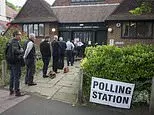
Reform UK has proposed sharply restricting postal voting, with senior politician Danny Kruger saying people away on holiday during an election should vote in person or forgo their vote. The proposal would make postal ballots available only to serving armed-forces personnel, diplomats, and elderly or disabled people, potentially affecting voters with pre-booked travel.
Kruger argued that postal voting should be limited to those genuinely unable to reach a polling station, while critics said the policy would make voting harder. Reform’s wider electoral proposals include removing voting rights from qualifying Commonwealth citizens and banning foreign-language campaign material; the Liberal Democrats described the postal-vote stance as out of touch. Fourteen of the 29 general elections since 1918 have been held in May, June or July, and elections can be held within 25 working days of being called.
- Reform proposes limiting postal voting to narrow groups.
- Holidaymakers would be expected to vote in person.
- Critics say the plan could reduce voter access.
New here? Start with this
Postal voting lets people cast a ballot without going to a polling station on election day. In the UK, voters can apply to vote by post for reasons including work, travel or difficulty getting to a polling station; some groups, such as people serving in the armed forces overseas, may face particular barriers to voting in person.
Reform UK is a political party, and Danny Kruger is one of its senior politicians. The party’s proposal raises questions about which voters should be able to use postal ballots and how election rules should balance access with voting in person.
The issue matters because elections can be called at short notice and take place during the summer, when some people have already booked holidays. Any change to postal voting rules could affect whether those voters can take part.
Both sides, in good faith
The strongest fair case each way — we don't pick a winner.
The case for
Supporters could argue that postal ballots should be reserved for people who cannot reasonably attend a polling station, such as those who are elderly, disabled, serving abroad or on official duties. A narrower system might make voting arrangements easier to oversee and reinforce in-person voting as the norm, while people who choose to travel could plan around a known election date or accept the risk of missing their vote.
The case against
Critics could argue that holidays are often booked well in advance, while elections can be called at short notice, so requiring travellers to vote in person or lose their vote would penalise ordinary voters for circumstances beyond their control. Postal voting offers a practical way to participate without undermining others’ access to the ballot, and restricting it so sharply could reduce turnout and make voting less accessible.