Jelly Roll rolls away from apolitical past after Trump jokes spark MAGA and ‘snowflake’ labels
Developed over time first seen 2 months ago
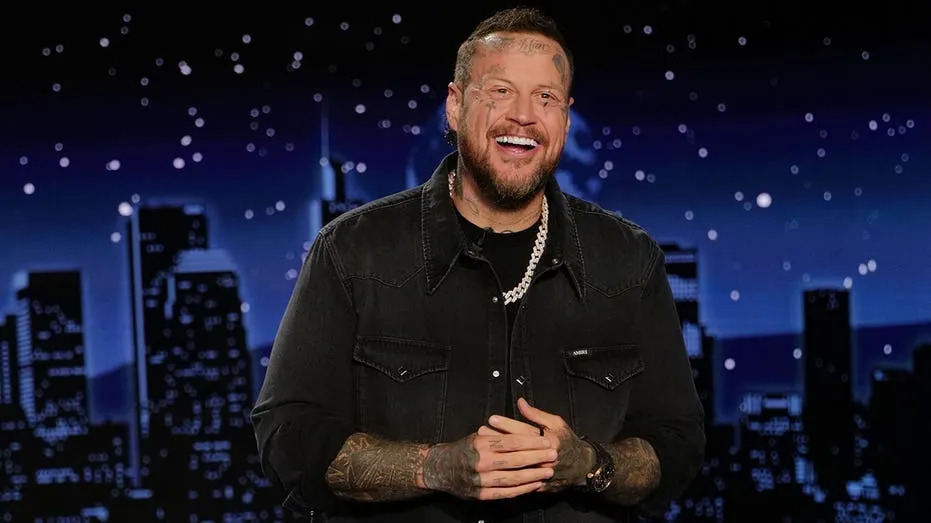
Jelly Roll used his final guest-host appearance on “Jimmy Kimmel Live!” to reject claims that he is either firmly pro-Trump or a liberal, after jokes about Donald Trump prompted backlash and competing political labels online. He said the reaction illustrated how quickly celebrity appearances and remarks can be treated as political endorsements, while describing himself as neither wholly apolitical nor firmly aligned with one side.
The singer said he leans left on some issues but sees himself as broadly centrist, citing his Christian faith, country background and rural interests. He said attending a White House UFC event or hosting Kimmel’s programme did not mean endorsing every view associated with either, and reflected on avoiding political comments after winning three Grammys in February 2026; now eligible to vote following a December 2025 pardon, he did not reveal his intended midterm vote.
- Jelly Roll rejected both MAGA and liberal labels.
- He said his politics are mixed and broadly centrist.
- He did not disclose his midterm voting plans.
New here? Start with this
Jelly Roll is an American country and rap singer whose music often draws on his past experiences with addiction, prison and recovery. He has become a prominent figure in mainstream country music in recent years, while also appearing on television and taking part in entertainment events.
Donald Trump is the US president and a central figure in American politics. Supporters are often described as MAGA, after his “Make America Great Again” slogan, while “snowflake” is a term sometimes used as an insult for people seen as overly sensitive.
Celebrities’ comments about Trump, television appearances and public events can attract political attention even when they are intended as entertainment. In the United States, public figures may face pressure to state clear political positions, particularly in the run-up to elections.
Both sides, in good faith
The strongest fair case each way — we don't pick a winner.
The case for
Jelly Roll’s position reflects a reasonable defence of political independence: citizens and artists may hold mixed views, participate in public life and make jokes about leaders without being required to join a partisan camp. Supporters may argue that treating every appearance, association or criticism as a full ideological endorsement discourages nuance and pressures public figures to perform tribal loyalty rather than speak honestly. His caution about discussing politics can therefore be seen as an attempt to preserve space for individual judgement.
The case against
Critics may reasonably contend that highly visible entertainers cannot wholly separate their public platforms from politics, particularly when they comment on a polarising political figure before a large audience. From this view, saying one is apolitical or centrist does not remove the real political effect of amplifying particular jokes, events or messages, and audiences are entitled to assess those choices. They may also argue that public figures who wish to influence political culture should be prepared to explain their values more clearly rather than invoking neutrality when challenged.