Putin’s appetite for launching hybrid operations against Britain ‘is very clear’, say Western officials as desperate Putin escalates the conflict in Ukraine
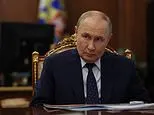
Western officials have warned that Russia may intensify alleged “hybrid” activity against Britain, including sabotage and cyber operations, as the war in Ukraine continues. They said President Vladimir Putin appears determined to destabilise countries supporting Ukraine, while still seeking to avoid a direct confrontation with NATO; nevertheless, they cautioned that miscalculation remains a risk.
The officials pointed to the 2006 killing of Alexander Litvinenko in London and the 2018 Salisbury poisoning of Sergei Skripal as evidence of Russia’s alleged readiness to operate in Britain. They also cited potential threats to defence manufacturers supplying Ukraine, amid criticism of the Government’s defence-spending plans and Russian warnings over continued British support for Kyiv. Officials said Russia’s domestic pressures, including economic effects of Ukrainian strikes and concerns over mobilisation, could encourage further escalation.
In short
- Officials warn Britain against complacency over alleged Russian sabotage and cyber threats.
- Russia is said to seek pressure on Ukraine’s international supporters.
- Direct NATO conflict is considered unlikely, but miscalculation remains a concern.
Steelman: both sides, in good faith
The strongest fair case each way — we don't pick a winner.
The case for
Those who favour a stronger British response argue that sabotage, cyber attacks and threats to defence suppliers could endanger public safety and weaken support for Ukraine even without open warfare. They see the past attacks cited by officials and Russia’s warnings as reasons to improve security, resilience and deterrence, while recognising that clear attribution and proportionate measures matter.
The case against
Those urging caution argue that officials’ warnings describe risks and assessments, not proof that a new operation is imminent, and that past cases do not establish who would be responsible for any future incident. They favour careful verification and measured responses, since overstating uncertain threats or escalating in response could heighten tensions with a nuclear-armed state and risk direct confrontation.
Explained simply
Russia’s full-scale invasion of Ukraine began in 2022. Britain supports Ukraine with military aid and sanctions against Russia, while also belonging to NATO, the alliance that includes the United States and many European countries. NATO’s members have pledged to defend one another if attacked.
“Hybrid” activity means actions such as cyber-attacks, sabotage or spreading disinformation, which can cause disruption without looking like conventional warfare. British officials have previously blamed Russia for the 2006 poisoning death of Alexander Litvinenko and the 2018 poisoning of Sergei and Yulia Skripal in Salisbury; Russia has denied involvement.
The issue matters because attacks or misread signals could raise tensions between Russia and countries supporting Ukraine, even without a direct military clash. Defence firms supplying Ukraine may also be targets, while governments must weigh their support for Kyiv against the risk of wider escalation.