DAVID MARCUS: Woke 1.0 is why entertainers needed our secret conservative club
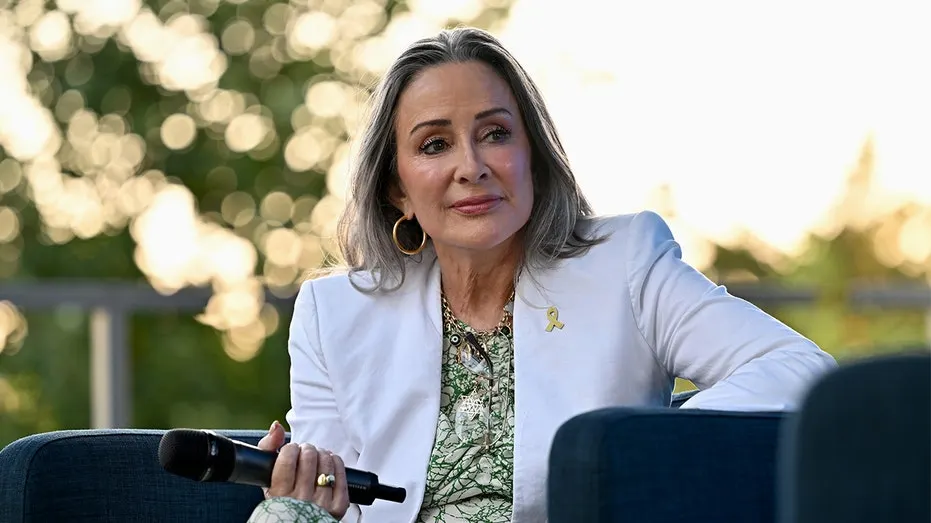
Opinion writer David Marcus argues that political conformity in Hollywood and the arts during the Obama era led conservatives and independents to create Friends of Abe, a private networking group. He presents the group as evidence that people with conservative views feared professional and social consequences for expressing them, and says its existence illustrates what he regards as a wider intolerance in entertainment culture.
The article cites actress Patricia Heaton’s recent description of Friends of Abe, which grew from a small group including Gary Sinise and Kelsey Grammer into an organisation with thousands of members and a New York chapter. Marcus also refers to cases including Gina Carano’s departure from a Disney series, while linking the issue to debates over patriotism, transgender rights and criticism of Donald Trump; these are the author’s interpretations and claims rather than independently established conclusions.
- Marcus says Hollywood conservatives formed Friends of Abe for private support.
- The group reportedly grew from a small circle to thousands.
- The article argues entertainment culture has become less censorious.
New here? Start with this
Friends of Abe was a private networking group for people in the entertainment industry who held conservative or independent political views. It began with a small circle that included actors Gary Sinise and Kelsey Grammer, and later grew to thousands of members, according to the article.
The group formed during Barack Obama’s presidency, when some members said they felt isolated or worried that sharing their politics could affect their work and relationships. The article’s writer, David Marcus, treats the group as evidence of a wider problem of political conformity in Hollywood, though that is his interpretation.
The debate touches on how political views, including views on patriotism, transgender rights and Donald Trump, are received in the arts. The article also mentions actress Gina Carano’s departure from a Disney series as part of that discussion.
Both sides, in good faith
The strongest fair case each way — we don't pick a winner.
The case for
Supporters of Friends of Abe could argue that a private network gave conservatives and independents in entertainment a place to connect when they believed openly expressing their views could cost them work or standing. They may see the group’s growth, and cases such as Gina Carano’s departure, as signs that an industry committed to inclusion should also protect room for political disagreement.
The case against
Critics could argue that the group’s existence does not by itself establish widespread professional discrimination, and that an industry’s prevailing political outlook is not the same as a ban on dissent. They may also see high-profile departures as consequences of particular conduct or workplace decisions, rather than proof that conservative views are broadly unwelcome, while noting that private networks can help people organise across the political spectrum.